
About the Blog — Our Mission
A Culinary Archive.
British Home Kitchen
Founded on a simple premise.
British Home Kitchen was founded on a simple premise: that the traditional recipes and cooking methods of the United Kingdom are worth preserving and celebrating. In an era of fast food and globalized flavors, we believe there is immense value in returning to the slow, deliberate practices of our ancestors.
This blog is an informational resource dedicated to the art of the home cook, providing a bridge between the culinary past and the kitchens of today. We focus on the techniques, ingredients, and rituals that have shaped everyday home meals across the British Isles — the kind of food that comes out of a domestic oven, not a restaurant pass.
Our pages are built for people who want to understand the texture of a well-made shortcrust, the smell of a slow-roasted joint, and the patience required for a proper steamed pudding. Every recipe and note we publish is grounded in practical experience and historical research, written in plain English for cooks at every level.
What We Do
Preserving British culinary heritage.
Our primary goal is to act as a repository for British culinary knowledge. Many traditional recipes are at risk of being forgotten as domestic habits change, and we see it as our responsibility to document these methods for future generations.
By focusing on the historical context and the reasoning behind each technique, we aim to deepen appreciation for the UK's food story. A suet crust is not just a casing — it is a practical solution to a damp climate and a limited pantry. A long, low oven is not just a method — it is the way a household made the most of a single fire.
We record the small details that rarely make it into modern adaptations: how a dough should feel under the hand, what colour the onions should turn before the stock goes in, why a recipe specifies a cold start or a rest overnight. These are the signals that separate a dish that works from one that simply lists ingredients.
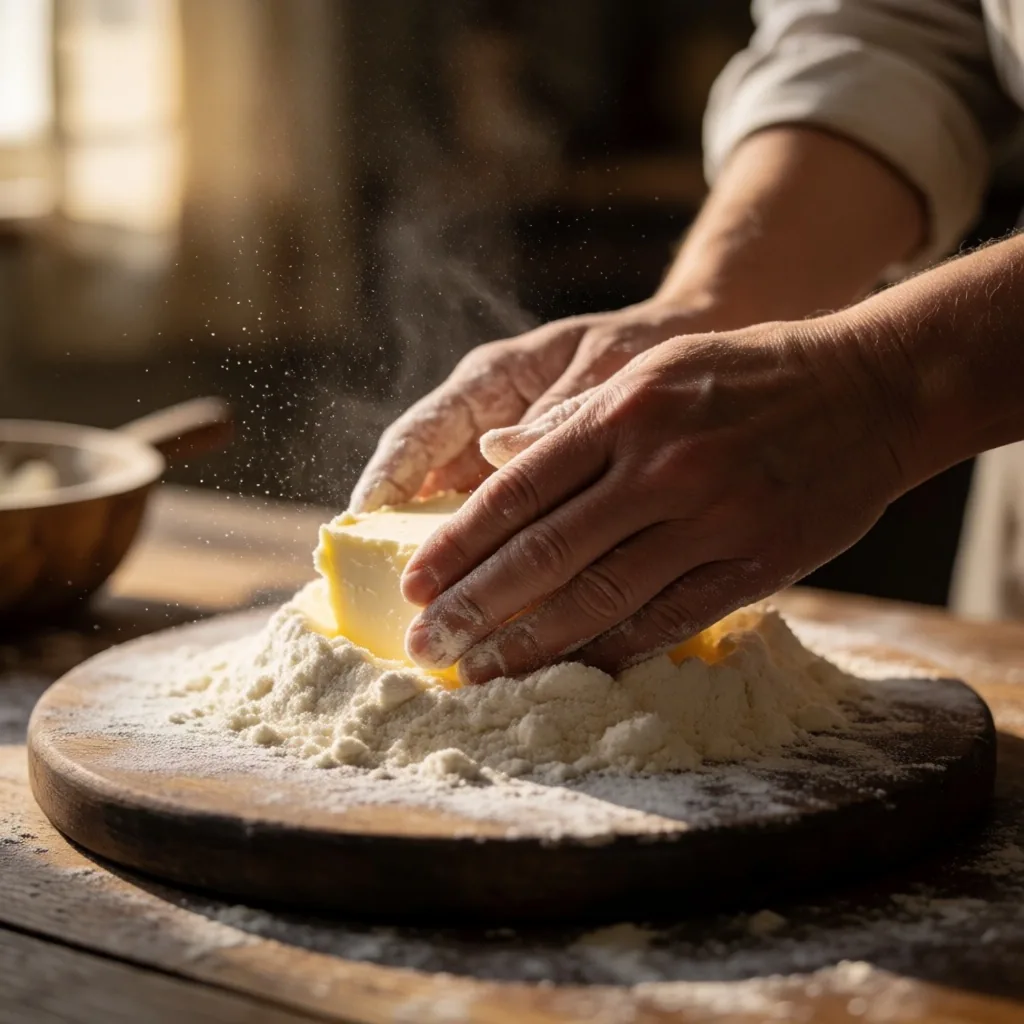
Plate I — Working the Dough
Our Approach
Authenticity first, always.
We strive to provide recipes and tips that stay true to their origins. While modern adaptations have their place, our focus is on the classic versions of dishes that have defined British life for centuries.
This means prioritising local ingredients, traditional measurements, and the patient cooking times that characterise authentic UK comfort food. Where a recipe calls for a cool larder, we explain how to approximate one with a modern fridge. Where a method depends on a cut of meat that is no longer common, we describe what to ask for and how to handle it.
What This Site Is Not
A strictly educational resource.
British Home Kitchen is strictly an informational site. We do not sell products, supplements, or meal plans. Instead, we provide the knowledge you need to be a better cook in your own home.
Our content is designed to be clear, accessible, and grounded in practical experience, helping you build the skills necessary to master the British kitchen. Every guide is written so that a reader with a basic domestic setup can follow along without specialist equipment.
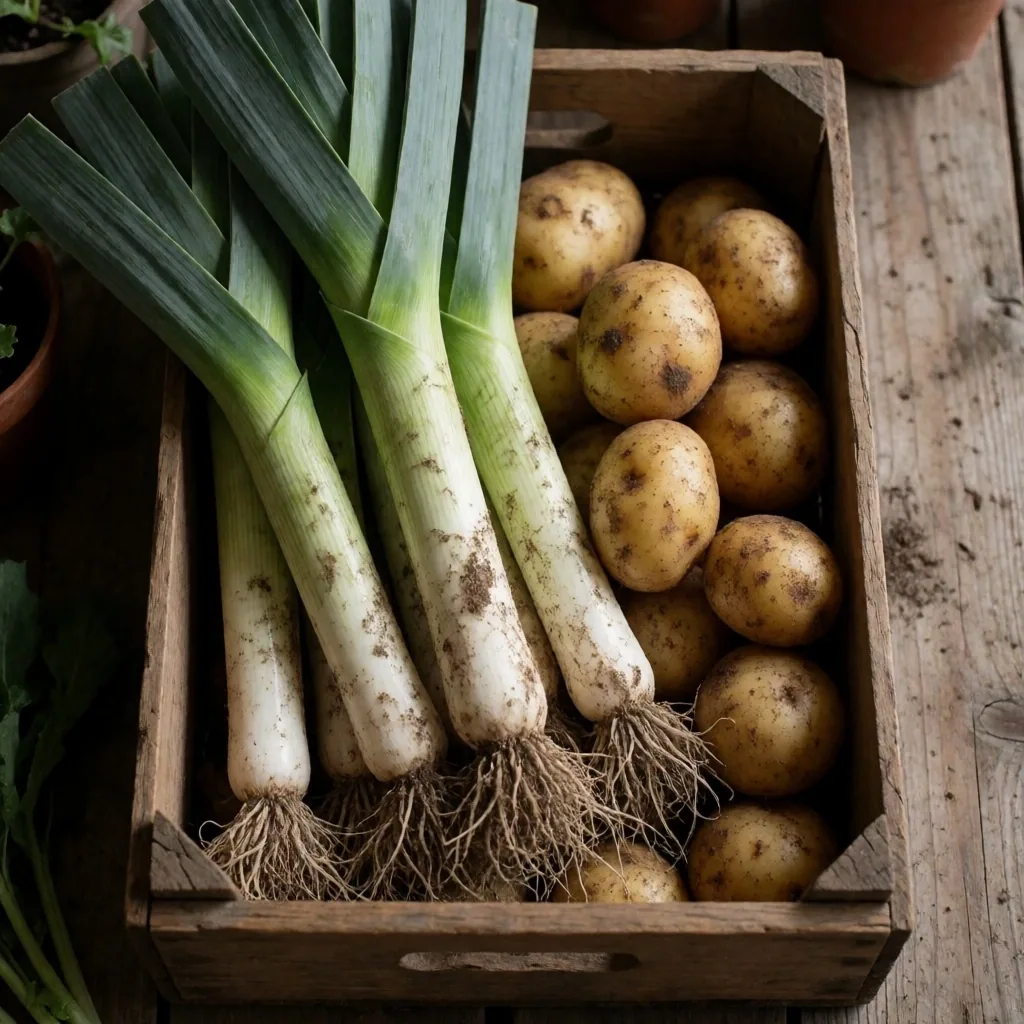
Our Ingredients
Local and seasonal by default.
We believe that the best food starts with the best ingredients. Our editorial policy emphasises the use of seasonal, locally sourced British produce wherever possible.
By highlighting the natural rhythms of the UK countryside, we encourage a more sustainable and flavourful approach to home cooking that benefits both the cook and the local environment. Our seasonal cooking guide follows the calendar of what is actually ready to harvest — nettles in March, asparagus in May, plums in September, roots and brassicas through the winter months.
We name varieties where it matters, explain what to look for at a market, and note which vegetables keep well and which should be eaten on the day they are pulled.
The Social Ritual
The shared table.
At the heart of British cooking is the idea of the family meal. Whether it is a Sunday Roast or a simple tea, food is a medium for connection and community.
We explore the social history of these rituals and encourage our readers to see home cooking as a way to strengthen bonds with friends and family through the act of sharing a well-made meal. A roast is not just a plate of meat and vegetables — it is a weekly appointment, a reason to gather, and a rhythm that has held households together for generations.
Our family dinner recipes are written with this in mind: generous portions, manageable timings, and instructions that allow the cook to leave the kitchen and sit down with everyone else.
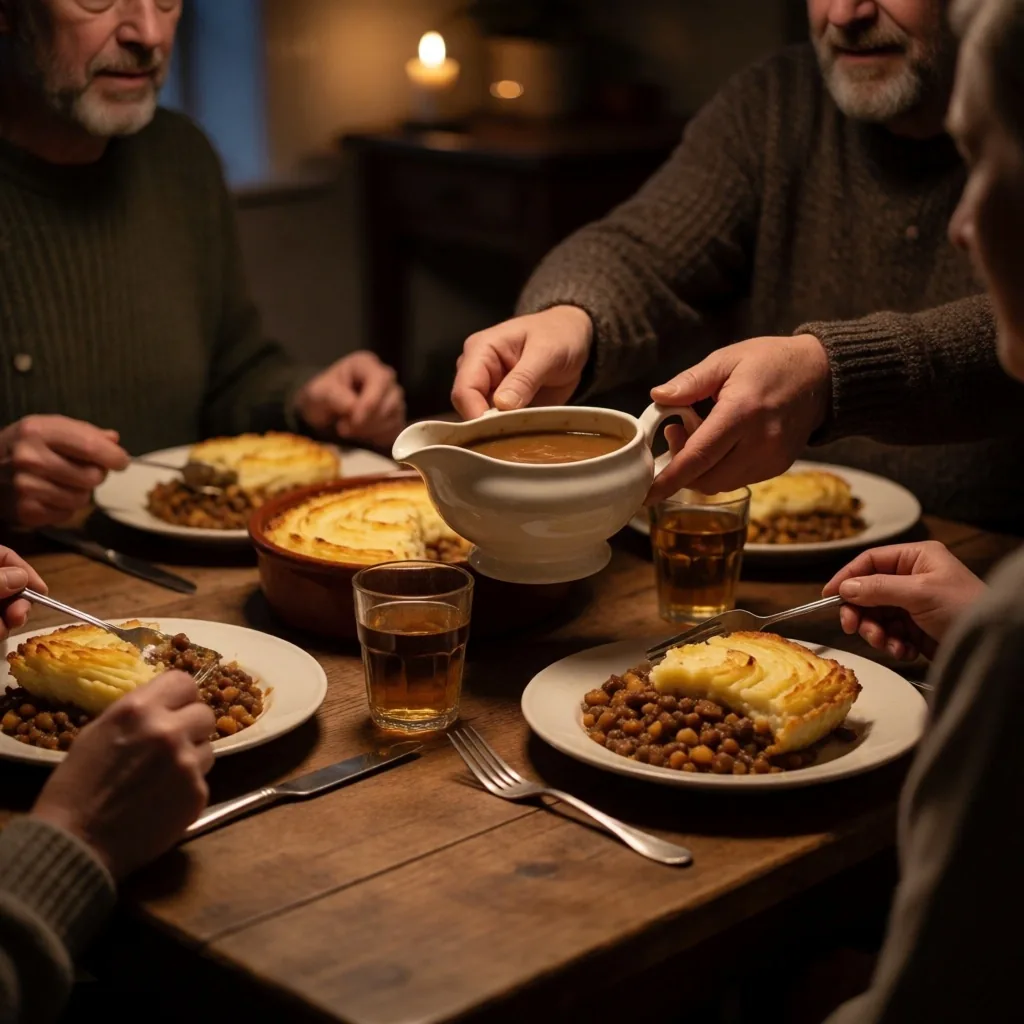
Principles in Practice
- Generous portions built around a single centrepiece
- Timings written so the cook sits down too
- Notes on what to prepare ahead and what must wait
- Guidance on leftovers as a second meal, not waste
Our Standards
Methodical in the kitchen, respectful of place.
01
Technical Rigour and Accuracy
While our tone is warm, our approach to cooking is methodical. We believe that accuracy in measurements and a clear understanding of kitchen science are the keys to success. Our guides are thoroughly researched to ensure that the advice we give is reliable and leads to consistent results in a home environment. Where a method is sensitive to temperature or timing, we say so and explain why.
02
Respect for Regional Diversity
We recognise that there is no single British cuisine, but rather a collection of distinct regional traditions. We make a conscious effort to feature dishes from across England, Scotland, Wales, and Northern Ireland, celebrating the unique flavours and histories that each area brings to the national table. A Cornish pasty is not a Scottish bridie, and a Welsh cawl is not an Irish stew — we keep those boundaries clear.
Our Boundary
A commitment to non-commercial content.
This site is dedicated entirely to the joy of cooking and the study of food history. We maintain a strict boundary against commercial influence, ensuring that our advice remains unbiased and focused solely on the needs of the home cook. Our reward is the knowledge that these traditional recipes continue to be prepared and enjoyed in kitchens everywhere. There is nothing to sign up for here, no product to purchase, and no agenda beyond the recipes themselves.