
Classic British Recipes and Comfort Food
Authentic British cooking is built on a foundation of hearty ingredients and straightforward techniques. This collection brings together the most significant dishes from across the United Kingdom, categorized to help you find the right meal for any occasion.
A working archive of traditional British recipes
From the savory depths of a steak and kidney pie to the light, fruity notes of an Eton Mess, these recipes represent the best of traditional home cooking. Each category below covers the techniques, ingredients, and historical context you need to understand why a dish works, not just how to assemble it.
Use this page as an index. The sections move from hearty pies and roasted main courses through breakfast, seafood, vegetables, puddings, tea-time bakes, and the condiments that finish a plate. Think of it as a kitchen reference rather than a rigid menu — dip into whatever suits the season or the occasion.
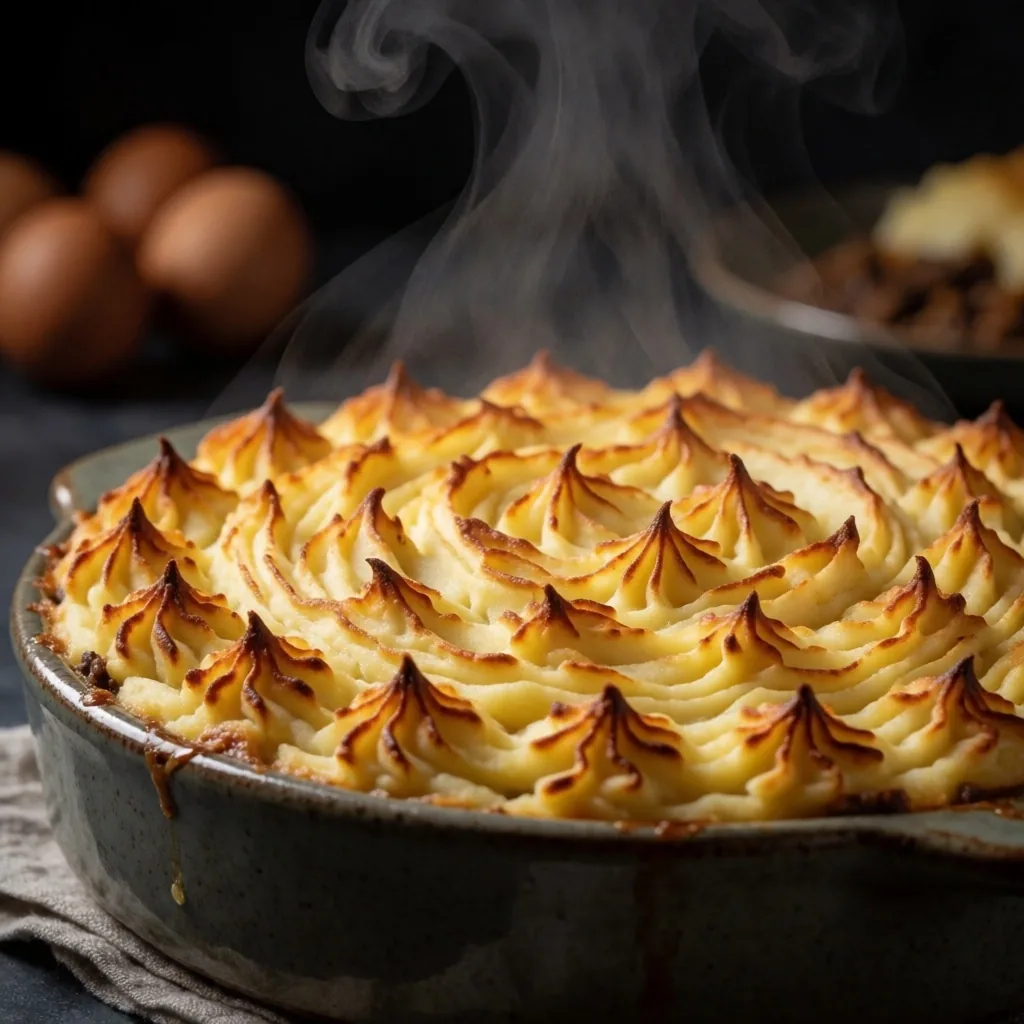
Savoury Pies and Savouries
Pies are a cornerstone of the British diet, serving as a complete meal encased in a crisp or flaky crust. We focus on the construction of the perfect pastry and the slow-cooking of fillings to ensure tenderness.
This section includes classics like Shepherd's Pie, where the focus is on the savory lamb base and the textured potato topping, as well as the intricate layering of a traditional Pork Pie. The pastry matters as much as the filling: hot-water crust for hand-raised pies, shortcrust for steady baking, and puff for lids that rise in distinct, buttery layers.
Featured in this category
- —Shepherd's Pie with textured potato topping
- —Traditional hand-raised Pork Pie
- —Steak and kidney pie with slow-cooked filling
- —Hot-water crust pastry technique notes
Traditional Main Courses
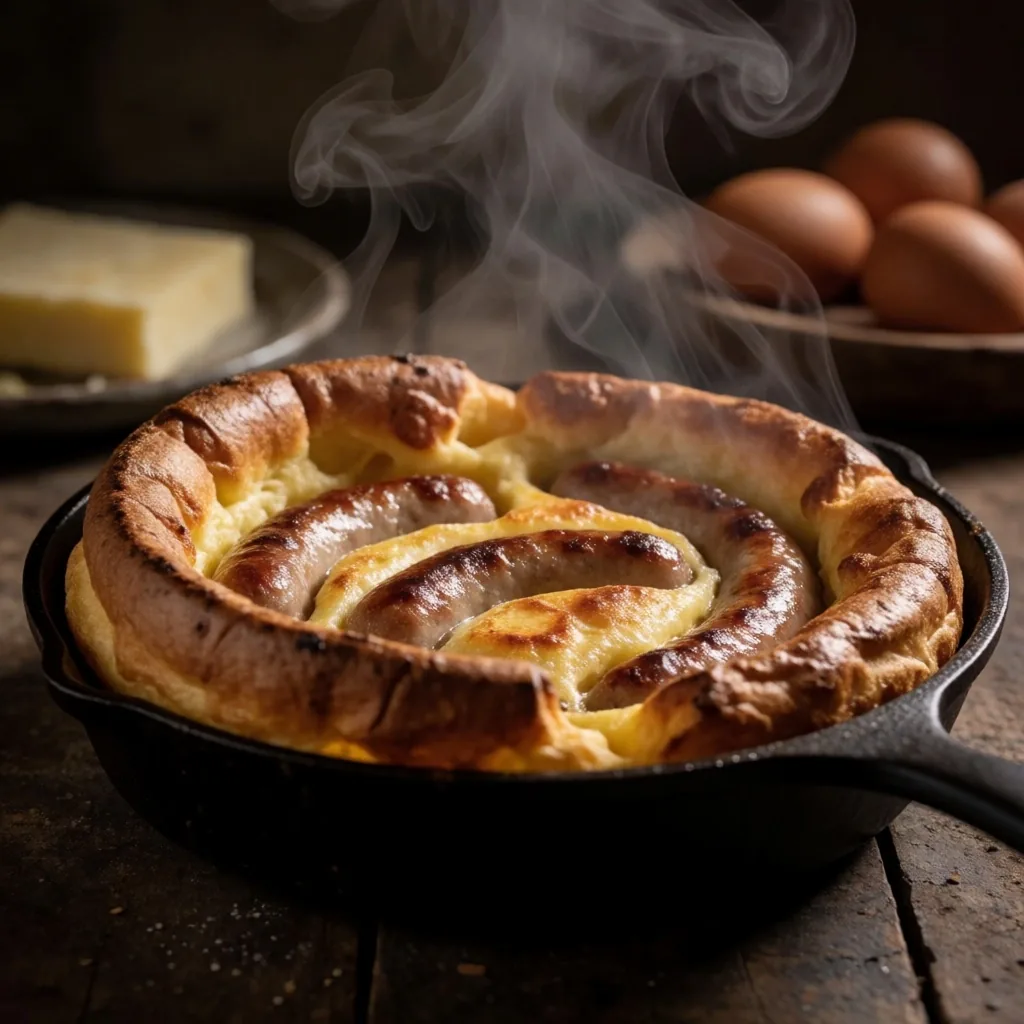
Beyond the pie, British main courses often center on roasted meats or slow-braised stews. These dishes are designed to be filling and nutritious, utilizing affordable cuts of meat and seasonal vegetables to their fullest potential.
We provide detailed notes on preparing a classic Toad in the Hole, ensuring the batter rises to impressive heights, and the art of the perfect banger and mash with onion gravy. The secret to both lies in heat: a screaming-hot pan for the pudding batter, and patient caramelization for the onions.
Key techniques covered
Batter rising and oven temperature
Onion gravy caramelization
Sausage selection and browning
Slow-braising affordable cuts
The Great British Breakfast
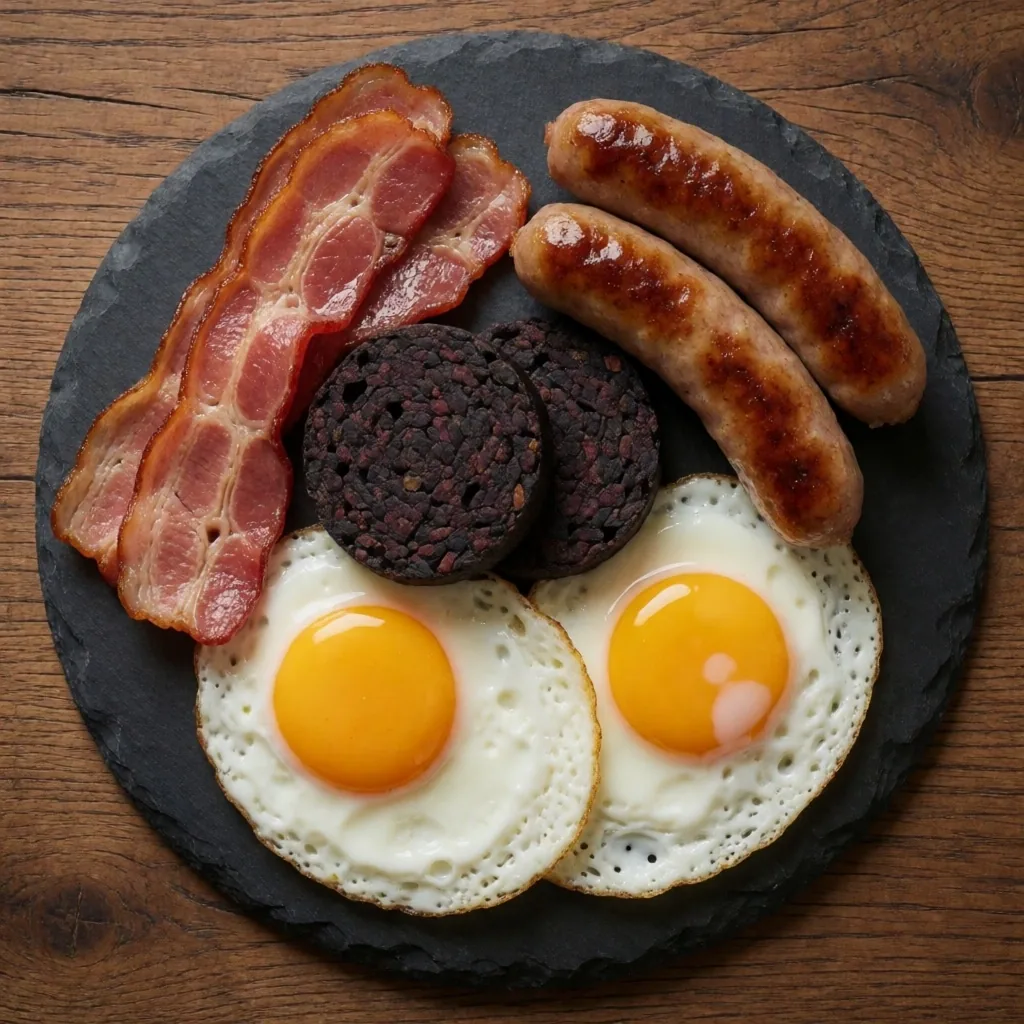
A traditional full breakfast is a complex assembly of various fried and grilled components. Understanding how to prepare bacon, sausages, black pudding, grilled tomatoes, and eggs so they are all hot and ready at the same time is a true kitchen skill.
We also look at lighter historical options like Kedgeree, a smoked fish and rice dish that reflects Britain's colonial culinary influences. The full English may be the icon, but regional variations — the Scottish with tattie scones, the Ulster with soda farls — tell a broader story about everyday home meals across the UK.
Timing note
Start with the slowest element — black pudding and tomatoes under a low grill — and finish with eggs in a hot pan. A warm oven holding at around 70°C keeps everything at serving temperature without drying.
Seafood and Coastal Staples
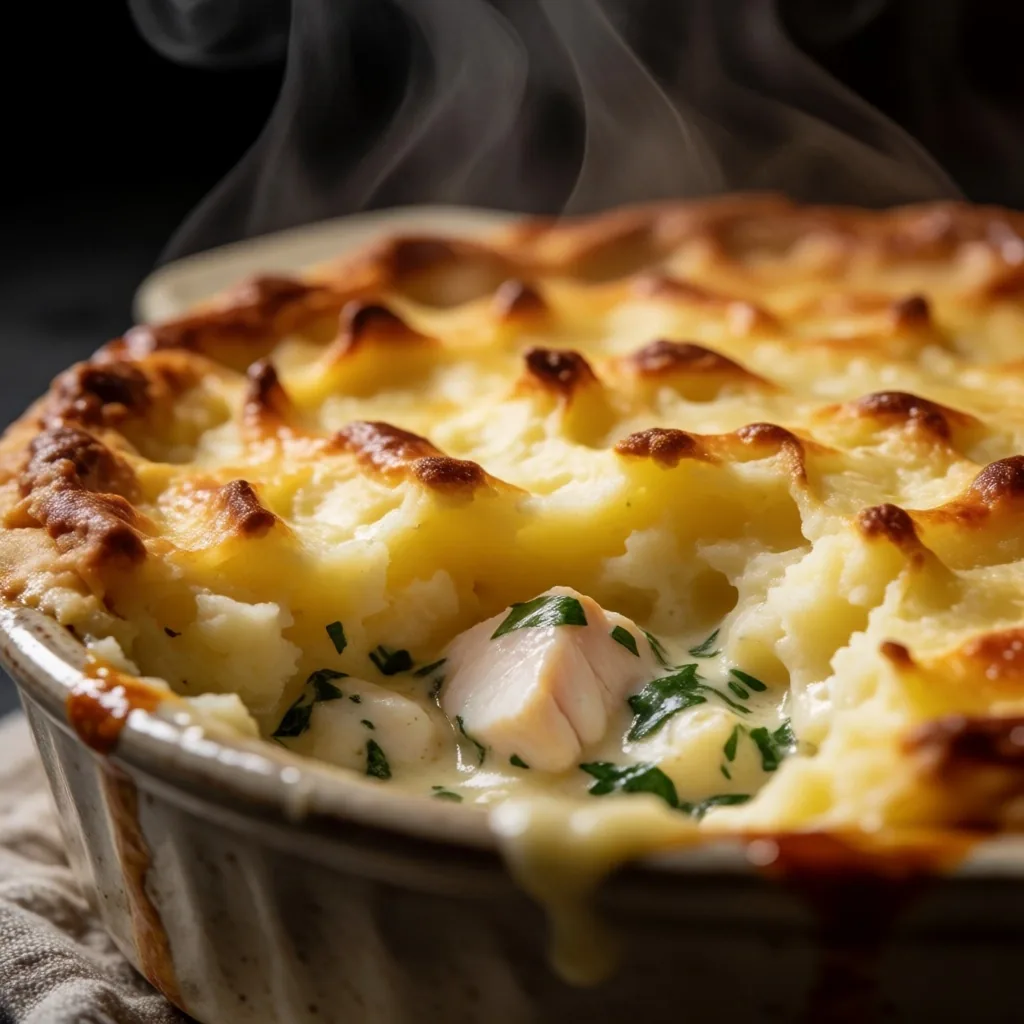
Coastal communities have contributed some of the most unique textures to the British menu. We examine the preparation of jellied eels, the smoking process of Arbroath Smokies, and the delicate assembly of a classic Fisherman's Pie.
The key to these recipes lies in the freshness of the catch and the gentle application of heat to preserve the natural flavor of the seafood. Overcooking is the single most common fault — fish should flake, not crumble.
Vegetable Sides and Starches
A British meal is rarely complete without its accompanying vegetables. We explore the best ways to prepare Maris Piper potatoes for roasting, the secrets to creamy mashed swede, and the traditional method for making mushy peas.
These side dishes are essential for balancing the rich flavors of roasted meats and providing the textural variety that characterizes a classic plate. The roast potato, in particular, deserves attention: floury varieties, goose fa or dripping, a hot oven, and one decisive shake halfway through cooking.
Roast potatoes
Maris Piper, parboiled and shaken, fa of choice
Mashed swede
Slow-cooked, butter, pinch of nutmeg
Mushy peas
Marrowfat peas, soaked, lightly seasoned
Classic Puddings and Sweets
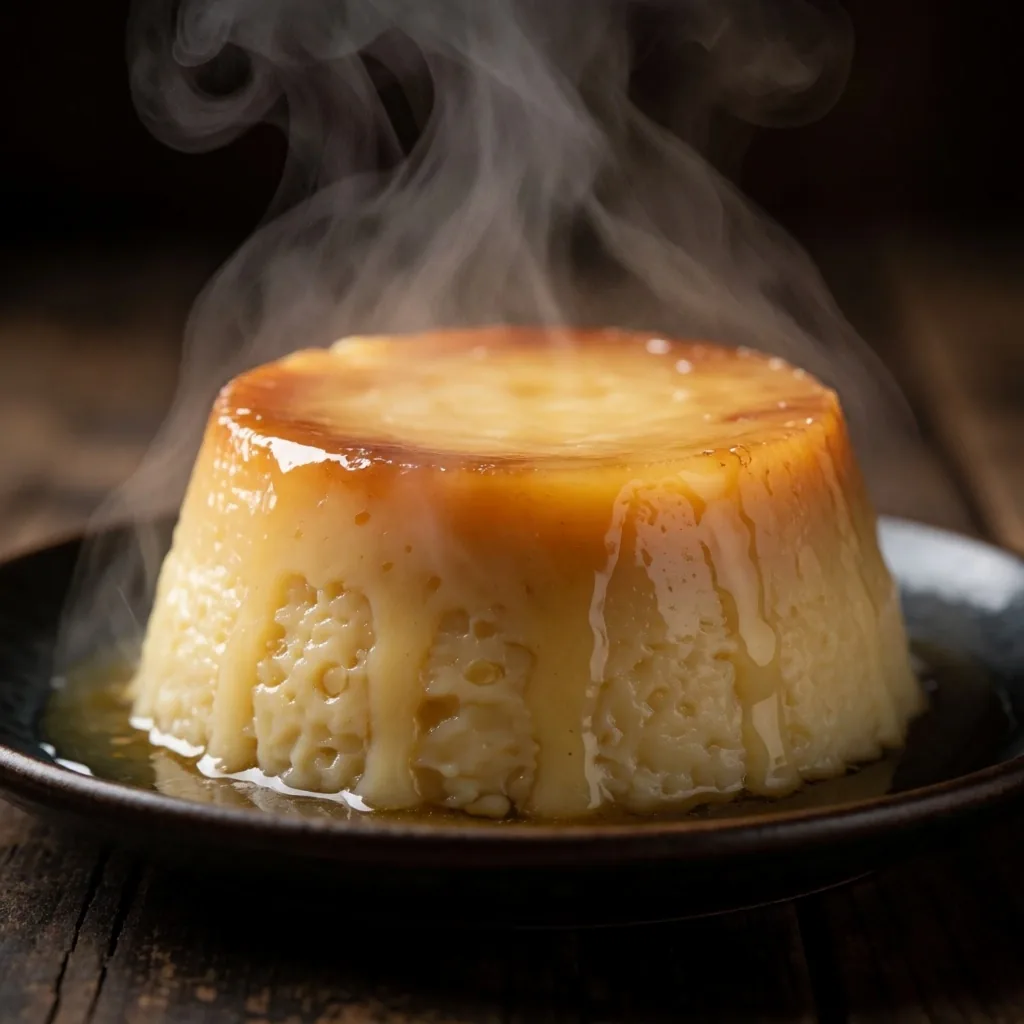
British desserts, or puddings, are world-renowned for their variety. This section covers the steamed puddings of the North, the trifles of the South, and the diverse range of crumbles that make use of seasonal orchard fruits.
We emphasize the importance of homemade custard as the ultimate accompaniment to these warm, comforting sweet treats. Proper custard — eggs, milk, sugar, and a vanilla pod — is poured warm, never spooned cold from a carton.
Steamed
Treacle, sponge, and suet-based puddings of Northern England
Trifles
Layered sherry-soaked sponge, custard, cream, and fruit
Crumble
Apple, rhubarb, and blackberry with butter-rubbed topping
Tea Time Treats and Small Bakes
Afternoon tea is a ritual that demands a specific set of small bakes. We look at the science of the perfect scone — ensuring a good rise and a tender crumb — as well as the preparation of finger sandwiches and delicate tea cakes.
These recipes are perfect for those looking to host a traditional gathering or simply enjoy a quiet mid-afternoon break. The scone technique is deceptively simple: cold butter, minimal handling, and a hot oven. Overwork the dough and the crumb turns tight and heavy.
Baking Notes UK →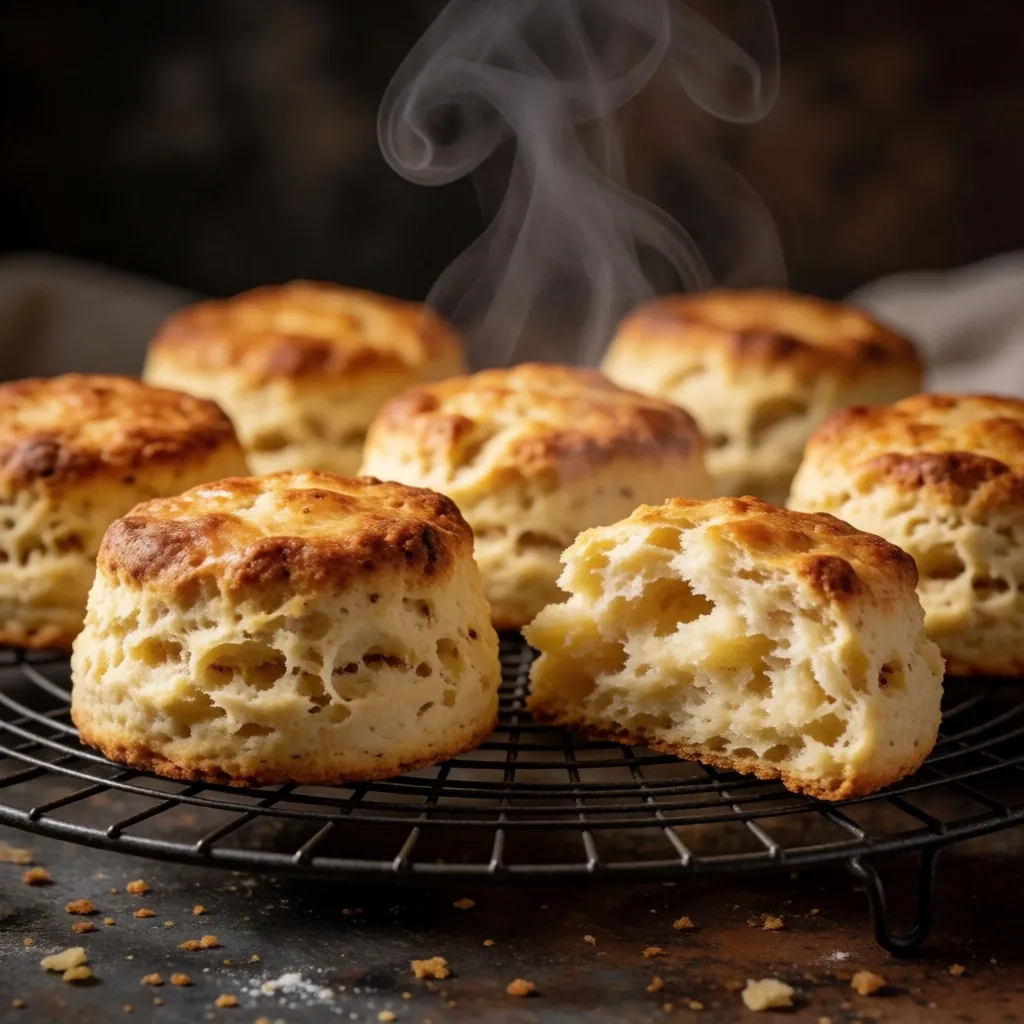
Scone fundamentals
Cold fa, light hand, hot oven — the three rules that never change.
Finger sandwiches
Crusts removed, fillings thinly spread, cut while fresh.
Condiments and Accompaniments
No British table is complete without the right condiments. We provide guidance on creating sharp horseradish sauces, mint jellies for lamb, and the dark, spicy chutneys that accompany cheeses and cold meats.
Making these from scratch allows for a level of flavor depth that store-bought versions rarely achieve, providing the final touch to an authentic home-cooked meal. Horseradish loses its heat within hours of grating, so the freshest root makes the sharpest sauce.
What this section covers
-
—
Fresh horseradish cream, grated and mixed with crème fraîche and white wine vinegar
-
—
Mint jelly and mint sauce, balancing sweetness against the acid of malt vinegar
-
—
Slow-cooked chutneys using autumn gluts of apples, onions, and dried fruit
-
—
Pickled onions and piccalilli, with notes on brine strength and maturing times
How to navigate these classic British recipes
Are these recipes suitable for beginners?
Most dishes here use straightforward techniques, but some — like hand-raised pork pie or steamed suet pudding — need practice. We flag the trickier steps in each category so you know where to slow down and pay attention.
Do you cover regional variations?
Where a dish has a strong regional identity — Cornish pasties, Melton Mowbray pork pies, Arbroath smokies — we note the traditional method and explain what makes the regional version distinct.
Is there a seasonal cooking guide?
Yes. Our seasonal cooking guide covers which dishes and ingredients suit each part of the year, from root vegetables and slow braises in winter to soft fruit crumbles in late summer.
Where can I find more kitchen guidance?
The Kitchen Wisdom pages collect simple kitchen tips on pastry, temperature, timing, and ingredient handling. For the history behind these dishes, the culinary history blog covers the background in depth.
Keep exploring British culinary traditions
These recipes are one part of a larger archive. The Kitchen Wisdom pages cover technique in more detail, the Seasonal Guide helps you match dishes to the time of year, and the Culinary History pages trace where these comfort food ideas came from.