
British Home Kitchen — A Culinary History Blog
A Culinary History of the United Kingdom
From Roman leeks and medieval fasting laws to the spice cargoes of empire and the austerity of wartime kitchens — the story of British food is one of constant evolution, shaped by waves of migration, global trade, and changing social structures.
Orientation
Centuries of change on the British plate
The story of British food is one of constant evolution, influenced by waves of migration, global trade, and changing social structures. From the robust diets of the medieval peasantry to the refined tea cultures of the aristocracy, each era has left its mark on what we now consider traditional British fare. This blog explores the historical milestones that have shaped the UK's unique culinary landscape over the centuries.
What follows is a chronological journey through eight distinct periods — each one introducing ingredients, techniques, and eating habits that still echo in everyday home meals and family dinner recipes across the country today.
Chapter I
Roman and Medieval Foundations
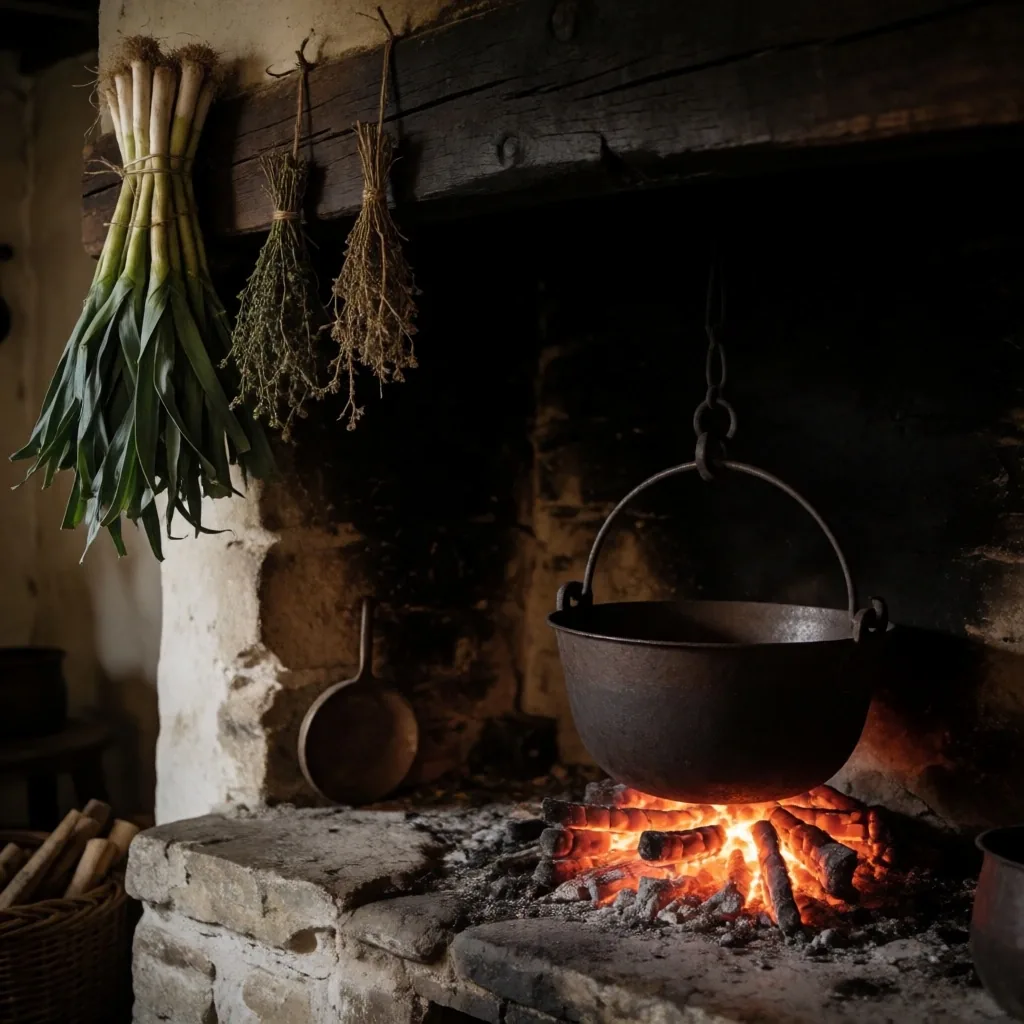
The roots of British cooking can be traced back to the Romans, who introduced staples like onions, leeks, and various herbs to the islands. These were not merely garnishes — they were foundational crops that would define the flavour base of British stews and broths for the next two millennia.
During the Medieval period, the diet was heavily influenced by the church's fasting laws, leading to a sophisticated use of fish and preserved foods. The large-scale communal kitchens of the era — with their open hearths, iron cauldrons, and slow-cooked pottages — paved the way for the hearty, one-pot traditions we still recognize in everyday home meals today.
Bread and ale were universal daily staples, while the wealthy had access to imported spices, sugar, and exotic fruits. The medieval peasant diet, though simpler, was remarkably varied — drawing on seasonal vegetables, foraged herbs, and preserved meats that carried families through the long winter months.
Chapter II
The Impact of Global Trade and Empire
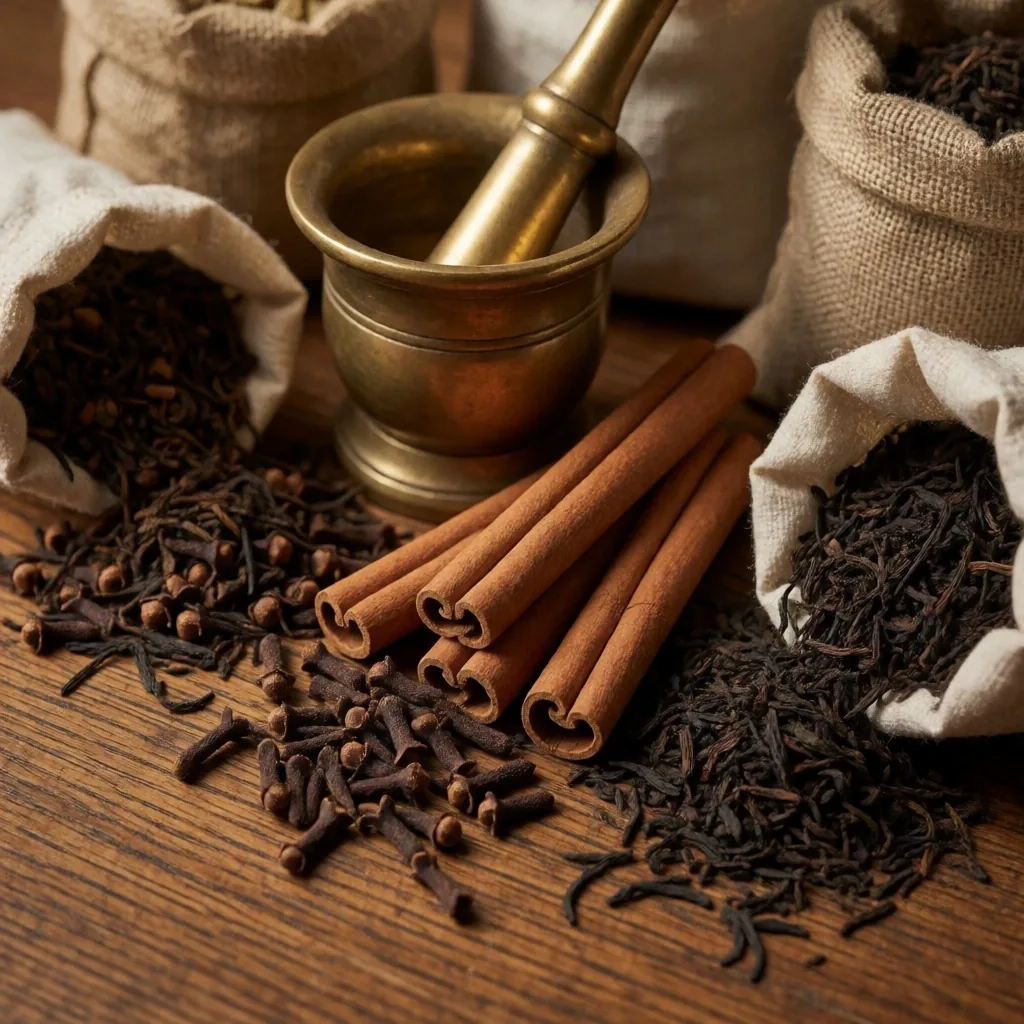
The expansion of the British Empire brought a wealth of new ingredients to the domestic kitchen, most notably spices, tea, and sugar. These additions transformed the British palate, leading to the creation of dishes like Mulligatawny soup — an Anglo-Indian adaptation of a Tamil pepper water — and the widespread adoption of curries that would eventually become a national comfort food.
These international influences were not simply imported and copied. They were integrated into the home, adjusted to local ingredients and tastes, and gradually became an inseparable part of national identity. The British curry house, the Sunday roast with imported peppercorns, the afternoon tea ritual — each is a product of this centuries-long exchange.
Chapter III
The Industrial Revolution and Urbanization
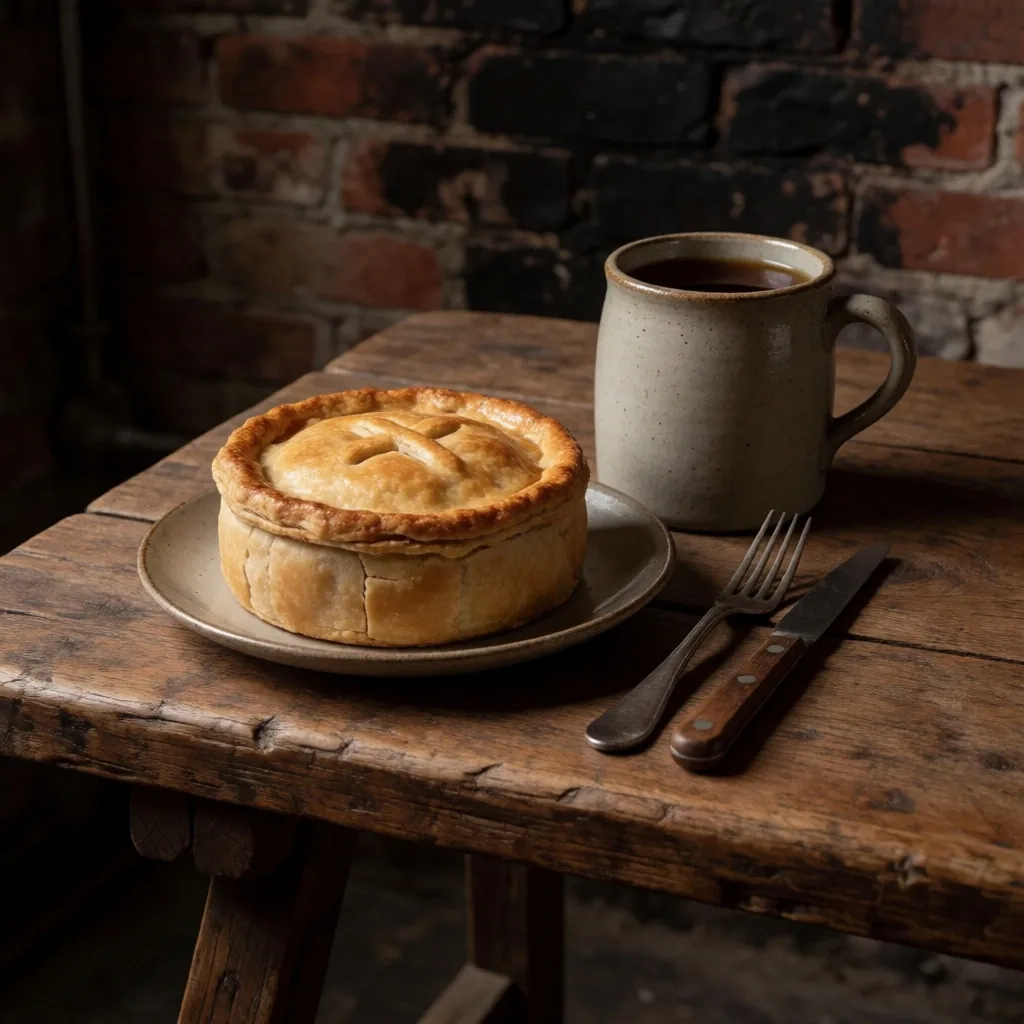
The shift from a rural to an urban society in the 18th and 19th centuries had a profound effect on how people ate. Factory workers had neither the space nor the time for traditional slow cooking. The answer was convenience — the meat pie, the sandwich, and the development of the professional bakery all answered the needs of a population with long working hours and cramped kitchens.
This era also saw the birth of the modern restaurant and the formalization of the British breakfast as a substantial start to the working day. For the first time, many families relied on food they had not prepared themselves — a shift that would permanently change the relationship between the household and the kitchen.
Chapter IV
Victorian Domesticity and Cookery Books
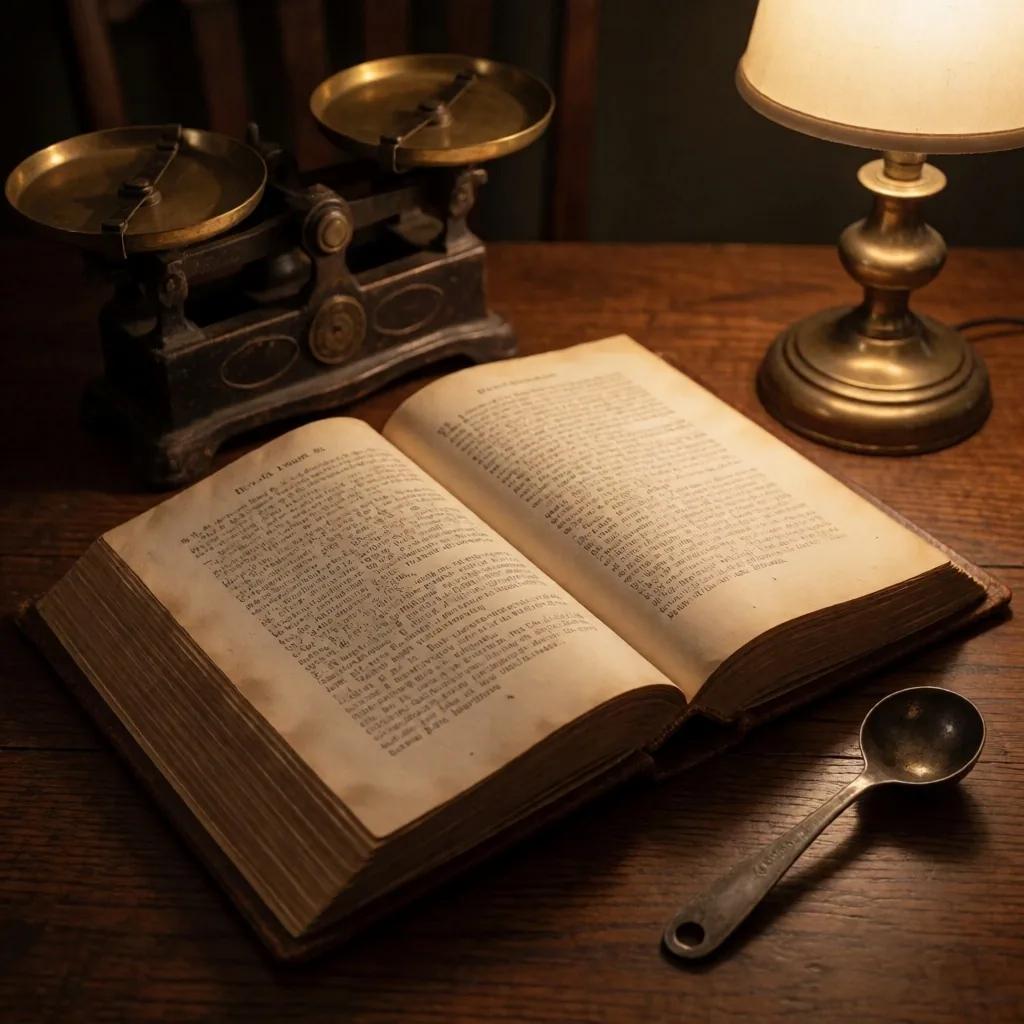
The Victorian era was a golden age for the British home, characterized by a fascination with domestic management and etiquette. Figures like Isabella Beeton standardized recipes and provided a blueprint for the correct way to run a kitchen — from roasting a joint of beef to managing the weekly household budget.
These early cookbooks helped to unify regional dishes into a recognized national cuisine. For the first time, a cook in Yorkshire could follow the same written instructions as one in Cornwall and produce a reliably consistent result. Baking notes and measurements became standardized, and many of the baking traditions that remain popular in UK homes today — from Victoria sponge to shortbread — were codified in this period.
Mrs Beeton's Book of Household Management, first published in 1861, did more than collect recipes. It gave structure and confidence to a generation of cooks navigating an increasingly complex domestic world.
Chapter V
Rationing and Post-War Resilience
The two World Wars of the 20th century forced the British public to be incredibly resourceful with limited ingredients. Rationing, introduced in 1940 and lasting in some form until 1954, reshaped the national diet for over a decade. Butter, sugar, meat, and eggs were strictly controlled, and home cooks learned to substitute, stretch, and improvise.
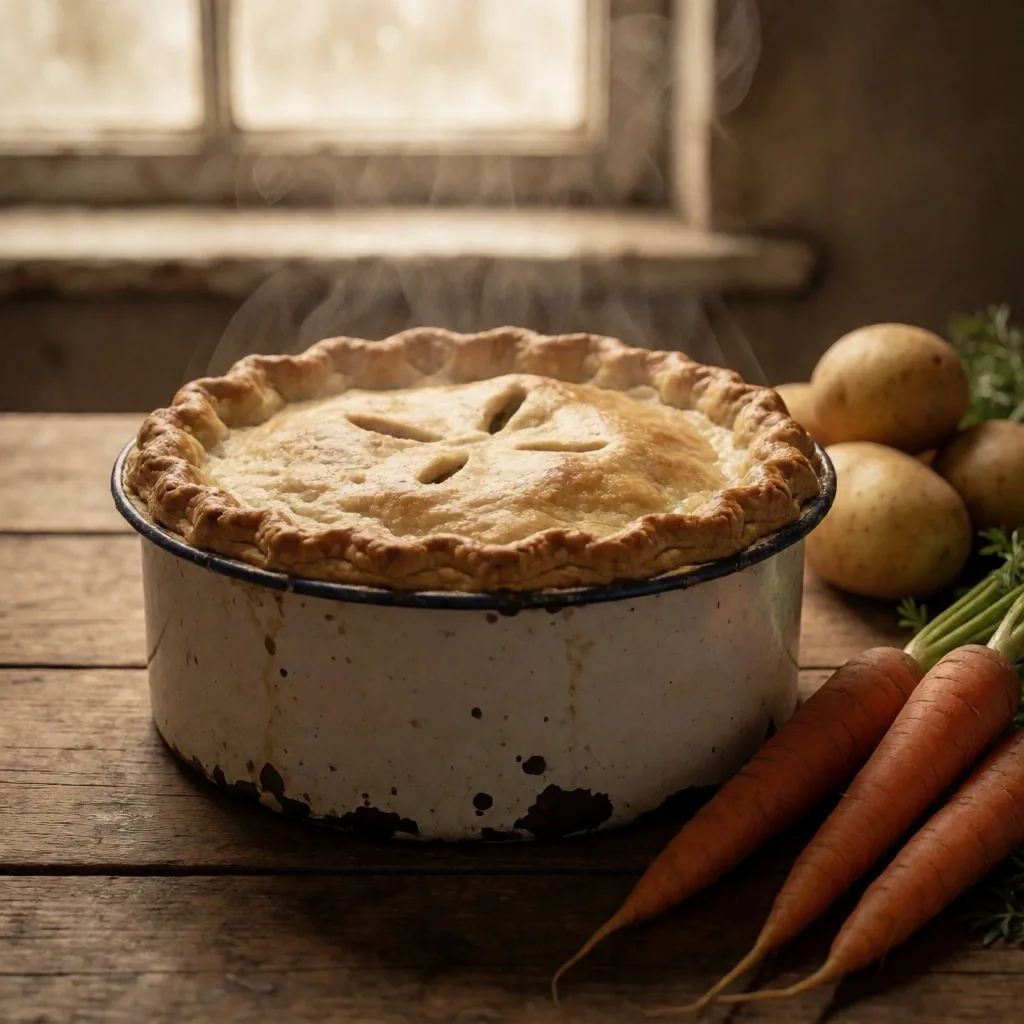
This era led to the creation of iconic dishes like Woolton Pie — a vegetable-heavy pie named after the Minister of Food — and reinforced the importance of the Dig for Victory movement, which encouraged families to grow their own produce in gardens, allotments, and public spaces.
This period of austerity taught a generation how to cook with minimal waste. The lessons of those years — using every part of an ingredient, making do with what is seasonal and local, and valuing simplicity over excess — remain highly relevant for anyone interested in sustainable cooking today.
Chapter VI
The Evolution of the Pub Meal
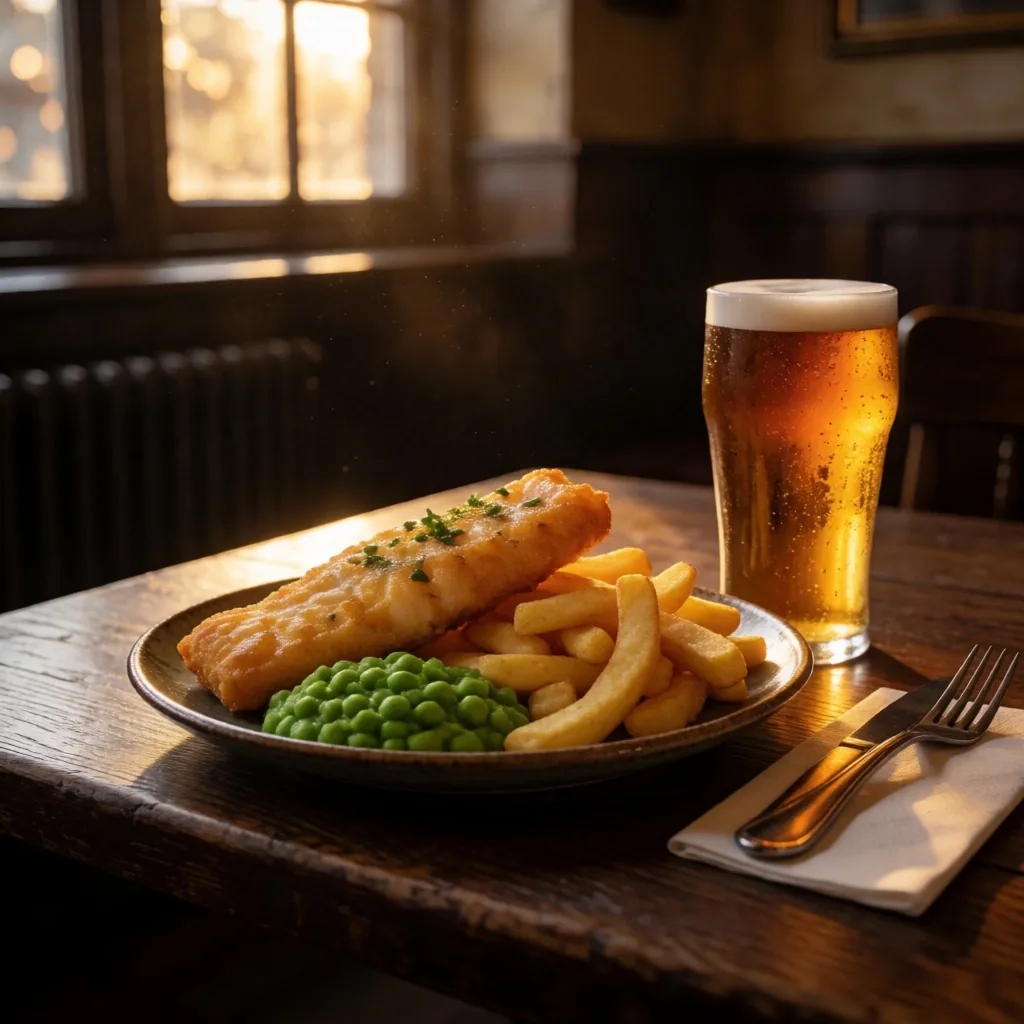
Originally serving only liquid refreshment, the British pub has evolved into a primary destination for traditional food. The gastropub movement of the late 20th century saw a return to high-quality, locally sourced ingredients, revitalizing classic dishes like fish and chips, steak and ale pie, and bangers and mash.
Before this shift, pub food was often an afterthought — a cold ploughman's lunch or a packaged sandwich. The gastropub reimagined the pub as a place where traditional cooking was taken seriously. Chefs began sourcing from local farms, baking their own bread, and treating heritage recipes with the same respect as any fine-dining establishment.
In an increasingly globalized food market, the pub has acted as a guardian of traditional British flavors — a place where a well-made steak and kidney pudding still matters.
Chapter VII
Regional Identity and Culinary Pride
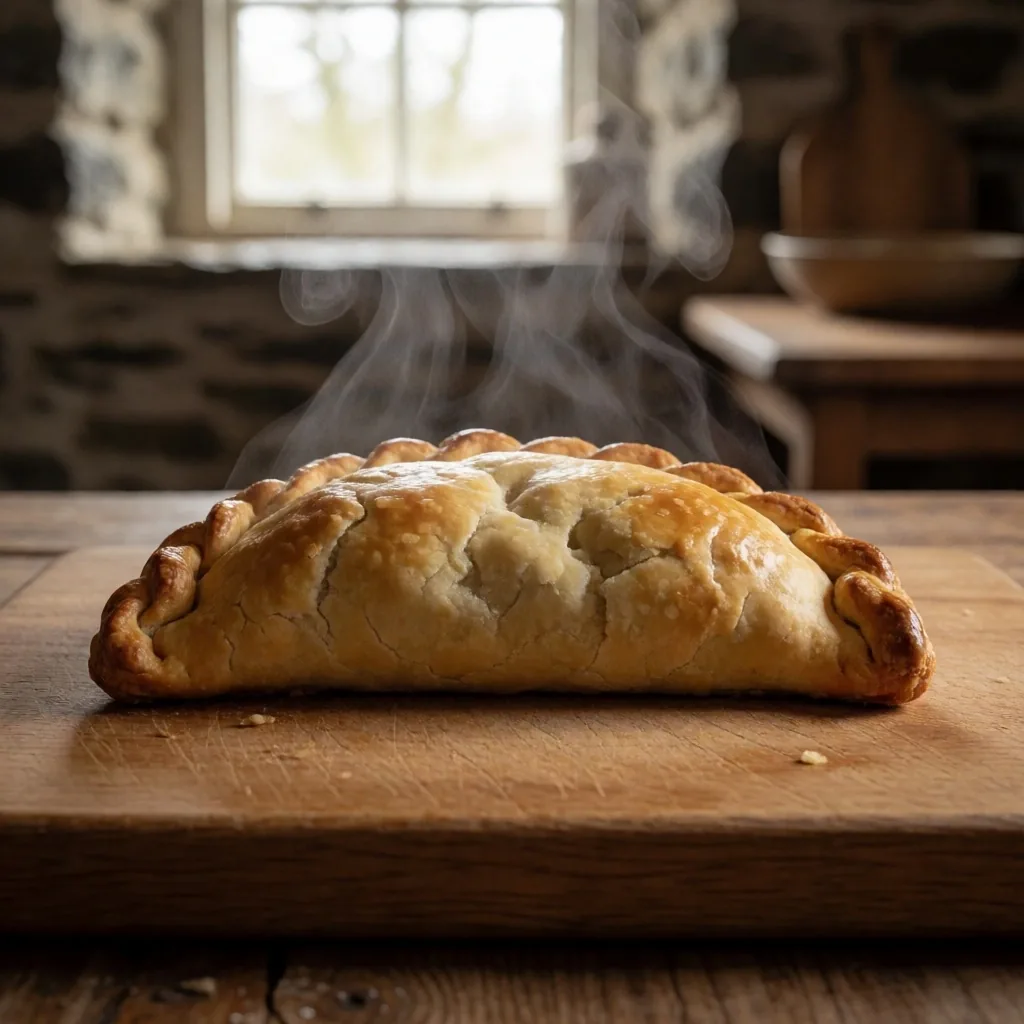
Throughout history, specific areas of the UK have fought to maintain their unique culinary heritage. The protected status of the Cornish Pasty, granted in 2011, means that only pasties prepared in Cornwall using a traditional recipe can legally carry the name. The fierce debate over the origins of the Yorkshire Pudding — and the proper way to serve it — reveals how deeply regional pride is woven into British food culture.
Scotland has haggis and cranachan. Wales has cawl and bara brith. Northern Ireland has soda farls and the Ulster fry. The West Country claims the cream tea — and will argue with Devon about whether the cream or the jam goes first.
These local identities have survived centuries of standardization and homogenization. They are essential for a diverse and vibrant national food culture, and they remind us that British cooking was never a single tradition — it has always been a collection of distinct regional voices.
Chapter VIII
Modern Perspectives on Traditional Roots
Today, there is a renewed interest in exploring the historical origins of British food. Chefs and home cooks alike are looking back to ancient techniques like fermentation, smoking, curing, and open-fire cooking to rediscover flavors that were nearly lost during the convenience-food era of the mid-20th century.
This is not nostalgia for its own sake. It is a practical response to modern questions — where our food comes from, how it is preserved, what it means to cook with the seasons. The revival of heritage grain varieties, the return of nose-to-tail eating, and the growing interest in traditional British charcuterie all point in the same direction.
By understanding our culinary history, we can move forward with a deeper appreciation for the simplicity, quality, and resilience of British home cooking — and carry those values into the kitchens of the next generation.
Continue Reading
Where this history leads next
Recipes
Classic Recipes
The dishes themselves, written out with clear steps and honest ingredients — from Sunday roasts to weeknight stews.
Go to the recipes →Baking
Baking Notes
Practical notes on breads, cakes, and puddings — the baking traditions that Victorian cookbooks helped standardize.
Read baking notes →Seasonal
Seasonal Cooking Guide
What to cook through the year — a practice rooted in the medieval calendar of feast days, fasting periods, and harvest cycles.
Follow the seasons →Technique
Kitchen Wisdom
The everyday skills behind the history — from pastry handling to stock-making, drawn from the same traditions traced above.
Learn kitchen wisdom →British Home Kitchen
This is a strictly informational culinary history blog. We do not feature commercial content, advertising, or product listings — just traditional British recipes, kitchen tips, and notes on the heritage of UK comfort food.