
Field Notes · No. 06 · Kitchen Practice
Kitchen Wisdom and Practical Home Cooking Tips
A successful kitchen is built on more than just recipes; it requires a set of practical skills and a well-organized environment. Whether you are a novice cook or an experienced hand, there is always room to improve your efficiency and the quality of your output. These tips are designed to help you navigate the British kitchen with confidence, focusing on the simple techniques that make a big difference in everyday home meals.
Technique 01
The Importance of Prep
Also known as mise en place
The most common cause of stress in the kitchen is poor preparation. By chopping your vegetables, measuring your spices, and laying out your tools before you turn on the heat, you can focus entirely on the cooking process. This approach is particularly important for British dishes like complex roasts where timing is critical to the final result.
-
01
Read through the entire method before lighting the hob. Know your sequence and identify which steps overlap.
-
02
Weigh and measure every ingredient into small bowls. British baking especially rewards precision over improvisation.
-
03
Arrange tools and pans in the order you will use them, working left to right in a logical flow.
Technique 02
Mastering the Art of Seasoning
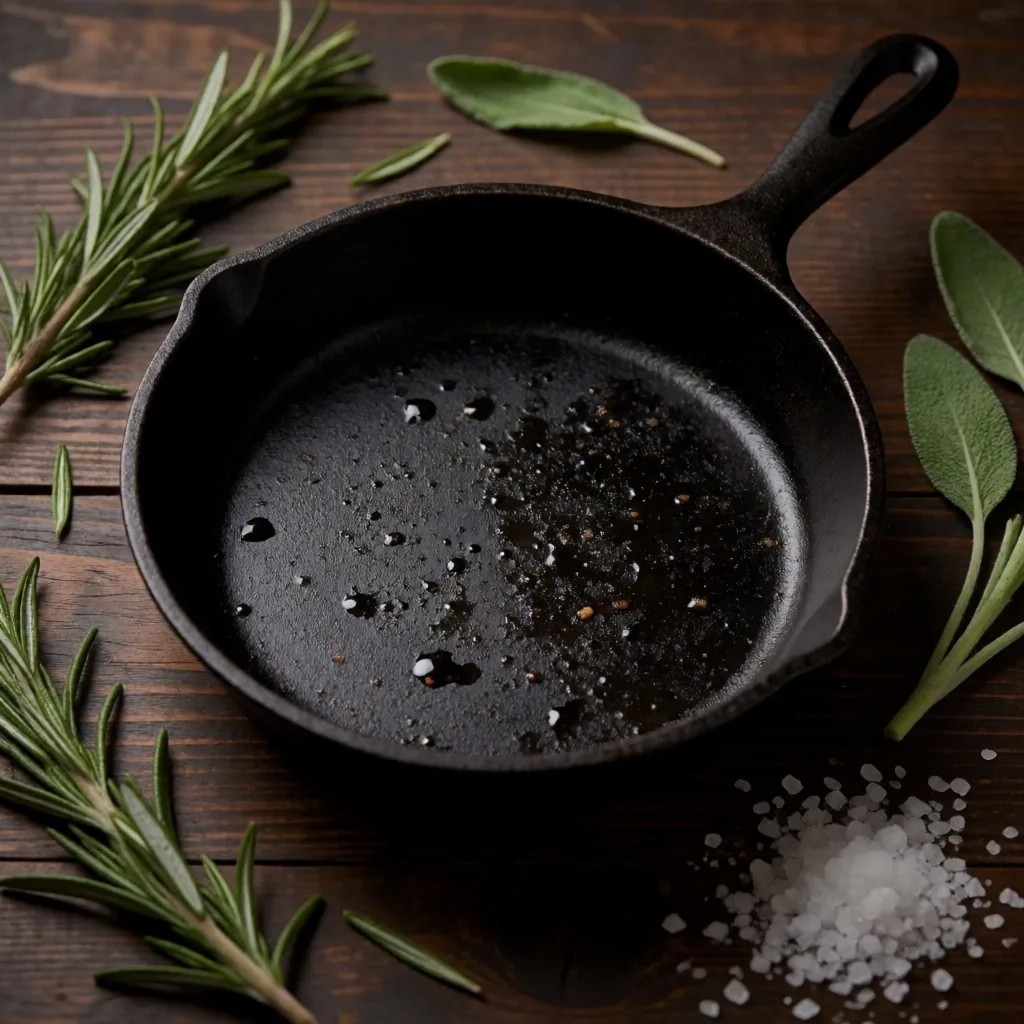
Proper seasoning is the difference between a bland meal and a memorable one. In British cooking, this often means the judicious use of salt, black pepper, and traditional herbs like sage, thyme, and rosemary. Season in layers throughout the cooking process and taste as you go to ensure a balanced, savory flavor profile.
Technique 03
Understanding Heat and Pan Control
Every stove is different, and learning how yours reacts is a fundamental skill. Whether you are searing meat for a stew or gently simmering a custard, controlling the temperature prevents burning and ensures even cooking. Heavy-bottomed pans distribute heat more evenly and hold temperature better when cold ingredients go in.
Sometimes the best move is to take the pan off the heat entirely and let the residual energy finish the job — particularly useful for delicate sauces and finishing a steak.
Technique 04
Knife Skills for the Home Cook
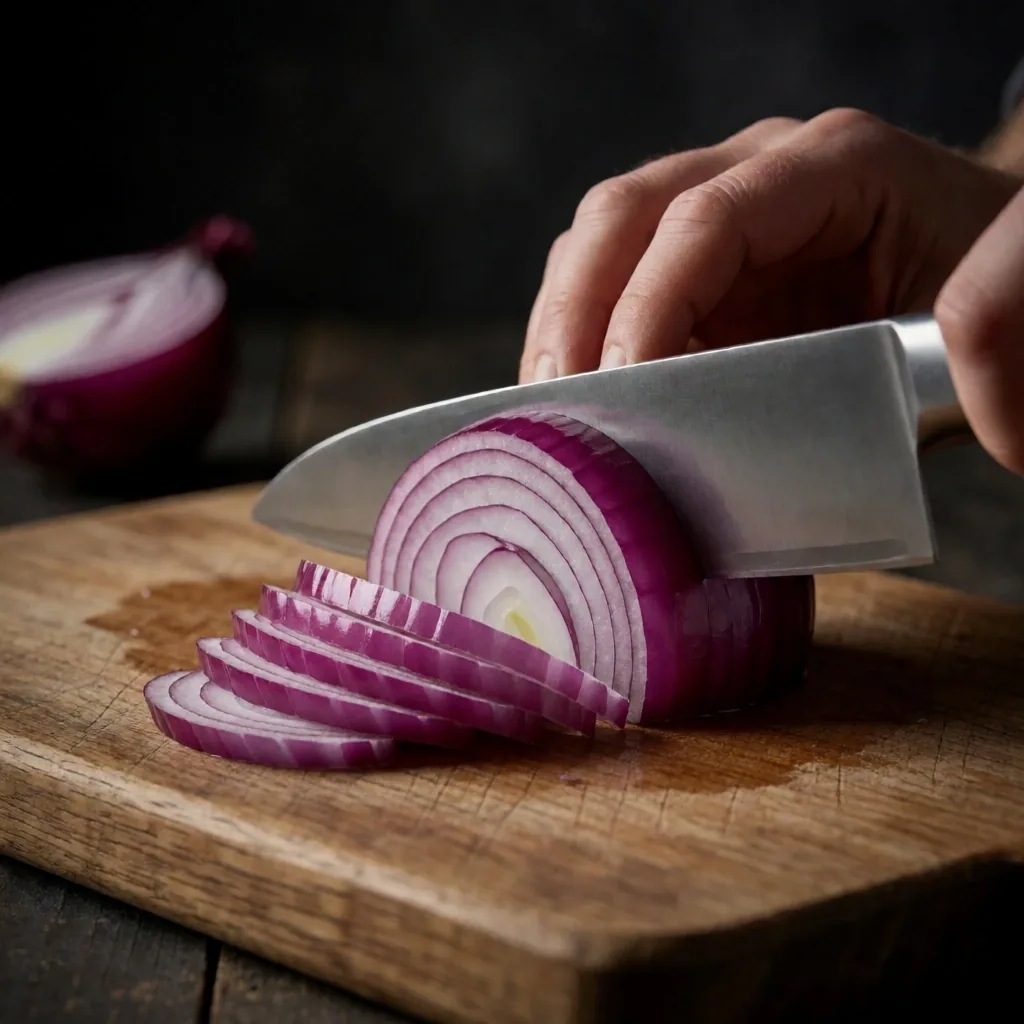
You do not need a drawer full of gadgets if you have a sharp chef's knife and the skill to use it. Learning the basic cuts — dicing, slicing, and julienning — not only makes your food look better but also ensures that everything cooks at the same rate. Even chunks mean even heat.
Hold the blade with a pinch grip just forward of the bolster, keep your guiding hand curled back against the board, and let the weight of the blade do the work. A dull blade forces you to press harder, which is how slips happen.
Three cuts every home cook should know
- Dice
- Square-cut cubes, roughly 5–10mm. The backbone of stews, pies, and stuffing.
- Slice
- Even planks of uniform thickness for even caramelization in a pan.
- Julienne
- Fine matchsticks, 2–3mm wide. Used for quick-cooking garnishes and salads.
Technique 05
Storing and Organizing Your Pantry
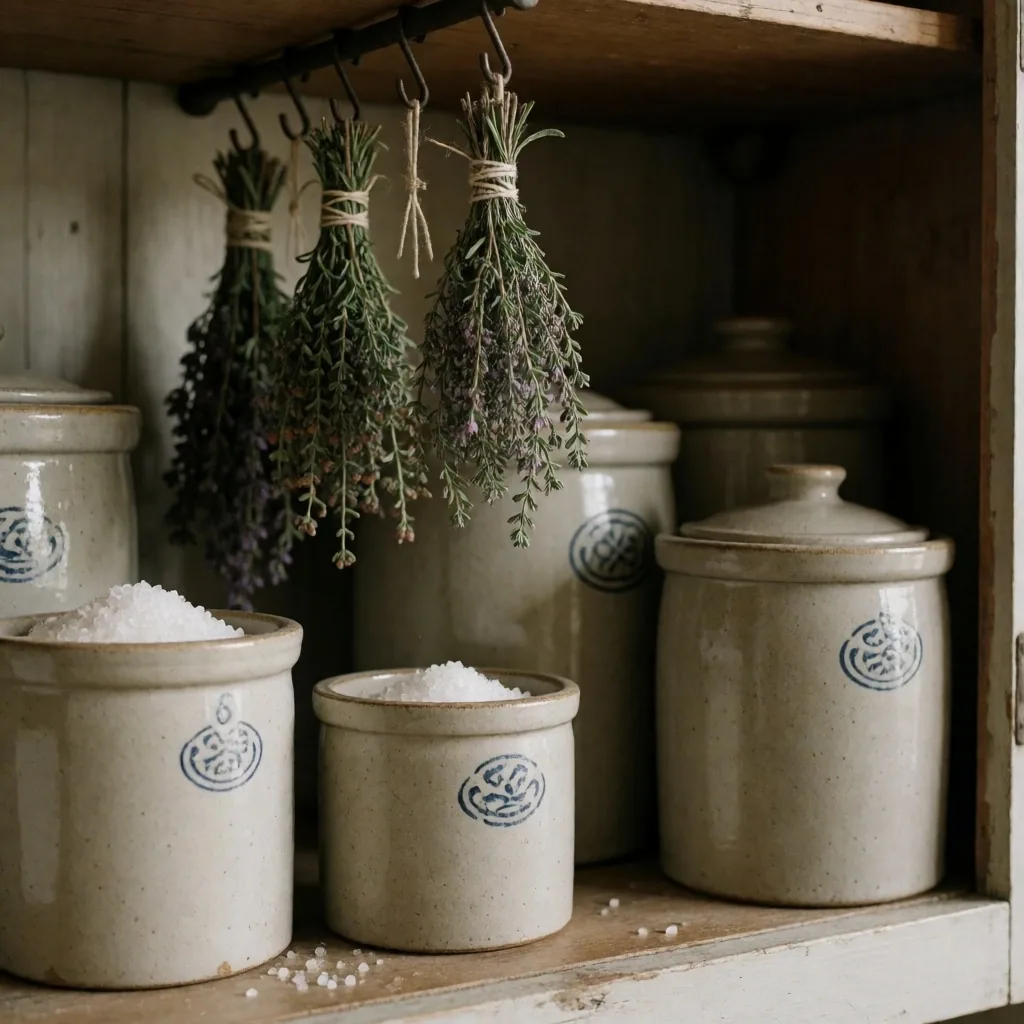
A well-stocked pantry is the secret to easy everyday meals. Organizing your dry goods in clear containers and labeling them with dates helps reduce waste and makes it easy to see what you need at a glance.
Keep the essential British staples on hand: high-quality flours, suet, a variety of vinegars, and a jar of good pickles to brighten any plate.
- Plain flour, self-raising flour, and strong bread flour
- White and malt vinegars, plus a good cider vinegar
- Dried pulses, rice, and pearl barley for hearty stews
- Pickled onions and beetroot for ploughman's accompaniments
Technique 06
Cleaning as You Go
Maintaining a clean workspace is essential for both safety and sanity. By washing up small items while your food is simmering or roasting, you avoid a mountain of dishes at the end of the night.
This habit makes the act of cooking more enjoyable and ensures that your kitchen remains an inviting space for your next culinary project. A clean board is a clear mind.
A simple rhythm
Wipe down between steps. Bowl, spoon, knife, board — each goes to the sink the moment its task is done.
Pantry Notes · British Culinary Traditions
The Quiet Logic of a Well-Kept Kitchen
Traditional British recipes reward patience and preparation. A seasonal cooking guide built around these pantry foundations lets you adapt to what is available, keep waste down, and serve comfort food ideas that feel rooted rather than rushed.
Frequently Asked Questions
Common Kitchen Questions
What is the most important tool for a traditional British kitchen?
While many tools are useful, a high-quality, heavy-duty roasting tin and a reliable set of kitchen scales are the foundations of most traditional recipes. The roasting tin handles everything from a Sunday joint to traybakes, while accurate scales are essential for consistent baking results.
How can I make my pastry lighter?
The key is to keep everything cold — your fats, your water, and even your hands. Handle the dough as little as possible to avoid overworking the gluten. Rest the pastry in the fridge before rolling, and again before baking, so the fa can re-firm and prevent shrinkage in the oven.
Is it really necessary to weigh ingredients instead of using cups?
For British baking especially, weighing in grams or ounces is far more accurate than using volume-based cups, leading to much more consistent results. A cup of flour can vary by as much as twenty percent depending on how it is scooped and packed, while a gram is always a gram.
Still curious about kitchen practice?
Write to us with a cooking question
We answer reader letters on traditional British methods, pantry keeping, and everyday home meals. Reach us at [email protected] or send a note through the contact page.
British Home Kitchen
24 Baker Street, London W1U 3BZ
United Kingdom