
British Home Kitchen · A Culinary History Blog
Traditional British Home Cooking and Culinary Heritage
Welcome to British Home Kitchen, a dedicated space for exploring the authentic flavours and methods that define the United Kingdom's culinary identity. This site serves as a digital archive for those who appreciate the simplicity of a well-made Sunday roast, the patience required for a slow-cooked stew, and the precision of classic Victorian baking. We focus exclusively on the educational aspects of home cooking, providing historical context alongside practical kitchen techniques to help you recreate timeless comfort food in your own environment.
Archive No. 001 · Established 2026
Orientation
The Foundation of British Comfort Food
British cuisine is often defined by its relationship with the land and the seasons. At its core, the tradition relies on high-quality staples such as root vegetables, hardy grains, and locally sourced meats. Understanding the balance between these ingredients is the first step for any home cook looking to master the art of the UK kitchen.
We examine how geography has shaped regional specialties, from the coastal seafood traditions of Cornwall to the hearty oats and game of the Scottish Highlands. Every recipe in this archive reflects a specific place, a specific season, and a way of cooking that values patience over speed.
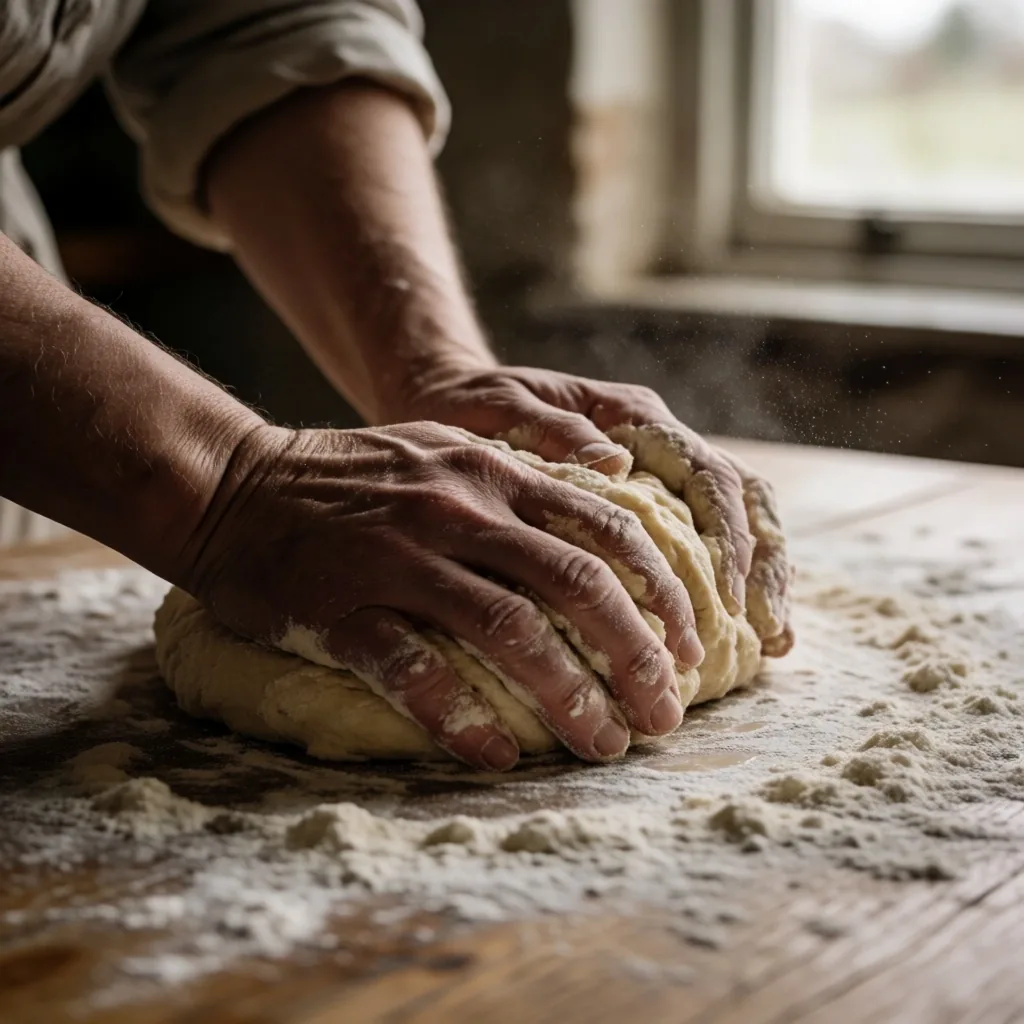
Home cooking in Britain is more than just food preparation; it is a vital link to the past. Many of the recipes featured here have been passed down through generations, surviving changing trends and shifting modern tastes.
Cultural Practice
Home Cooking as a Cultural Practice
By focusing on these established methods, we preserve a way of life that prioritises slow preparation and shared family meals. This blog provides a space to reflect on how these domestic habits continue to influence modern British society today.
Practical Skills
Essential Skills for the Modern Kitchen
Efficiency in the kitchen starts with a firm grasp of basic techniques. Whether it is mastering the shortcrust pastry for a savoury pie or understanding the exact timing for a perfect Yorkshire pudding, small details make a significant difference.
Our guides break down these processes into manageable steps, ensuring that even complex traditional dishes become accessible to the everyday cook. We emphasise the use of standard kitchen tools and straightforward methods to achieve consistent results.
Read Cooking Tips →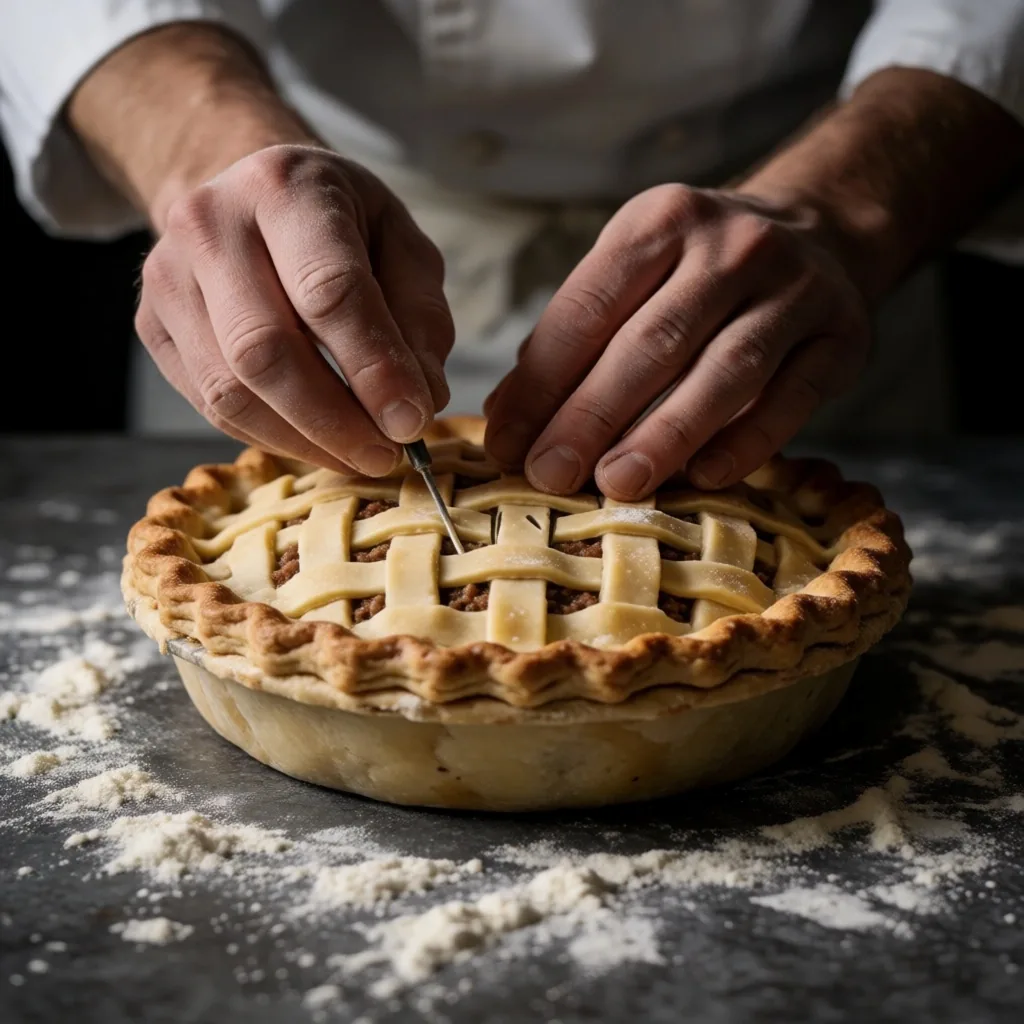
Seasonal Cooking Guide
Seasonal Rhythms and Local Produce
The British calendar is marked by the arrival of specific ingredients, from the first stalks of rhubarb in spring to the harvest of orchard fruits in autumn. Adapting your cooking to follow these natural cycles ensures the best possible flavour and supports a more sustainable approach to eating.
We highlight how traditional recipes were originally designed to make the most of what was available, reflecting a deep respect for the natural growing seasons of the British Isles.
Spring
Rhubarb, wild garlic, asparagus, spring lamb. The pantry lightens after winter, leaning on fresh greens and tender meats.
Summer
Berries, peas, broad beans, mackerel. A time for preservation and lighter, quicker meals that celebrate abundance.
Autumn
Orchard apples, plums, root vegetables, game. The return of slow braises, hearty pies, and the jam-making pantries.
Winter
Brassicas, stored roots, dried pulses, cured fish. Stews and one-pot dishes dominate, stretching modest stores.
Regional Varieties
Exploring Regional Varieties
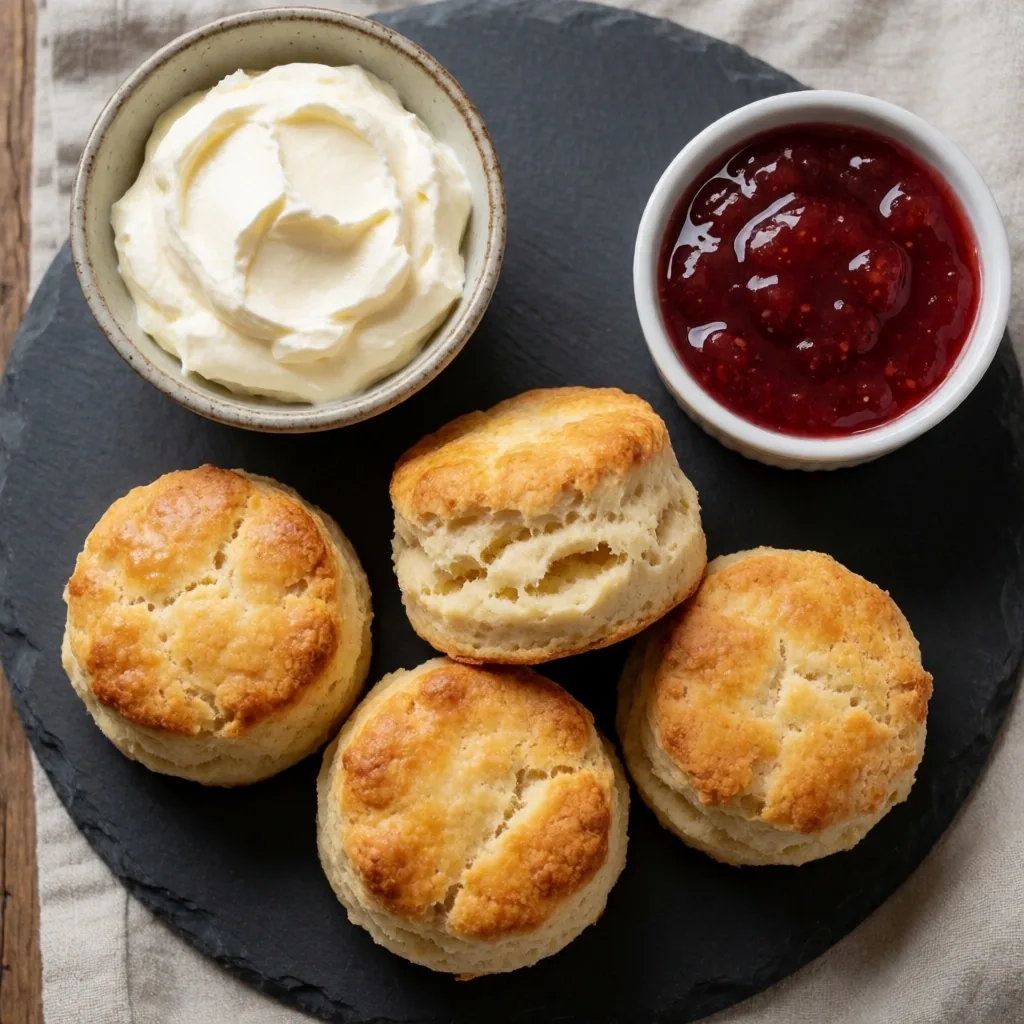
Britain's culinary map is incredibly diverse, with each county offering its own unique contribution to the national plate. You might find distinct differences in how a simple scone is prepared or how a stew is seasoned depending on which part of the country you visit.
By looking at these regional variations, we gain a broader understanding of the UK's food story. This exploration helps home cooks appreciate the nuances that make British food a complex and varied field of study.
Cornwall
Pasties, saffron buns, clotted cream
Yorkshire
Parkin, curd tart, Yorkshire pudding
Lancashire
Hotpot, Eccles cakes, butter pie
The Iconic Meal
The Role of the Sunday Roast
Perhaps no meal is more iconic to the British identity than the Sunday Roast. This weekly tradition involves a specific set of components: a roasted joint of meat, crispy potatoes, seasonal vegetables, and a rich gravy.
We discuss the historical significance of this meal and provide insights into the logistics of timing each element so they arrive at the table simultaneously. It remains a cornerstone of family life and a primary example of British culinary hospitality.
Explore Recipes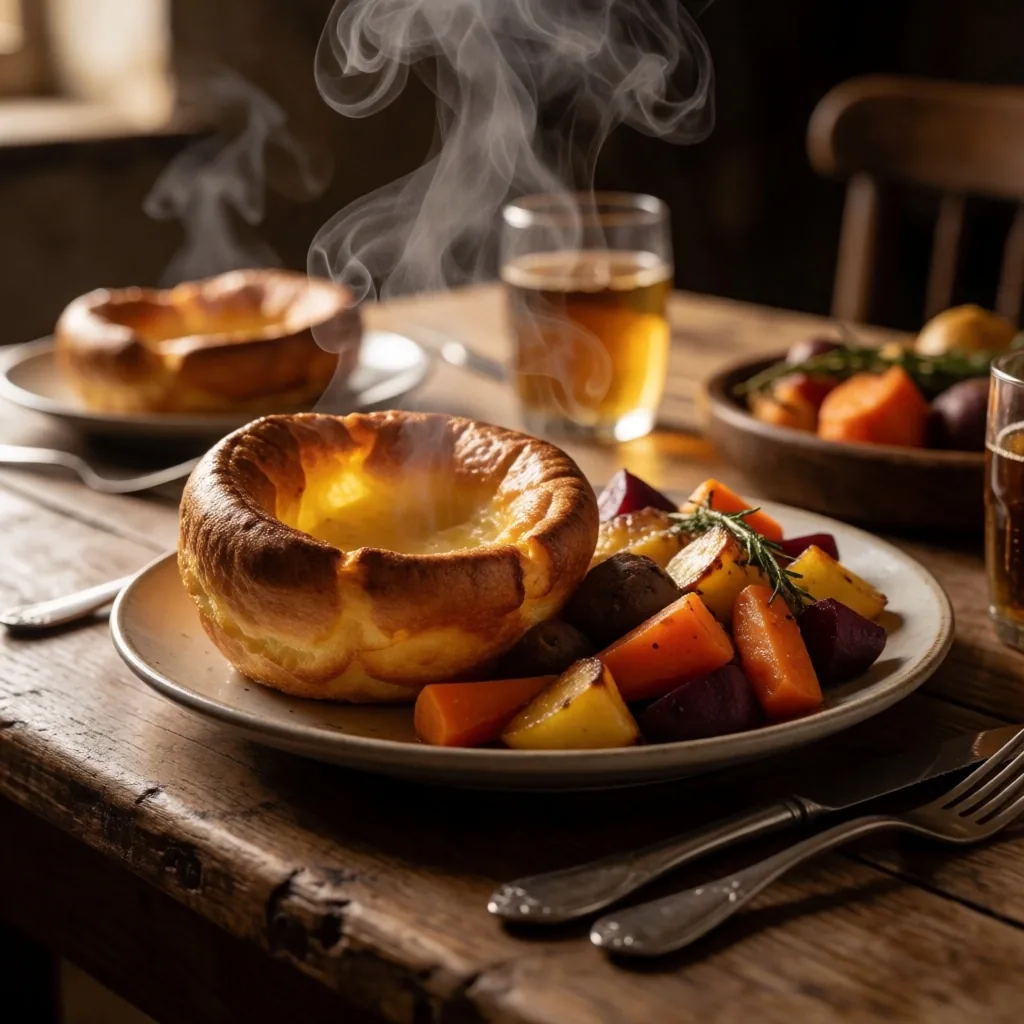
Baking Notes UK
Baking Traditions Across the Centuries
From the heavy fruitcakes of the medieval period to the delicate sponges of the 20th century, British baking has undergone a fascinating evolution. The techniques used in a traditional tea room or a village bakery are rooted in centuries of experimentation with flour, fats, and leavening agents.
We look at the science behind these bakes and the cultural rituals, like afternoon tea, that helped cement baking as a national pastime.
Pantry and Preservation
The Art of Preservation and Pantries
Historically, the British kitchen relied heavily on preservation to see households through the winter months. Pickling, jam-making, and the creation of chutneys are skills that remain highly relevant for the modern home cook.
Understanding the acidity and sugar balances required for safe preservation allows you to capture the peak of summer produce. We explore these old-world pantry staples and how they continue to add depth and zing to contemporary meals.
One-Pot Wonders
Stews, Soups, and One-Pot Wonders
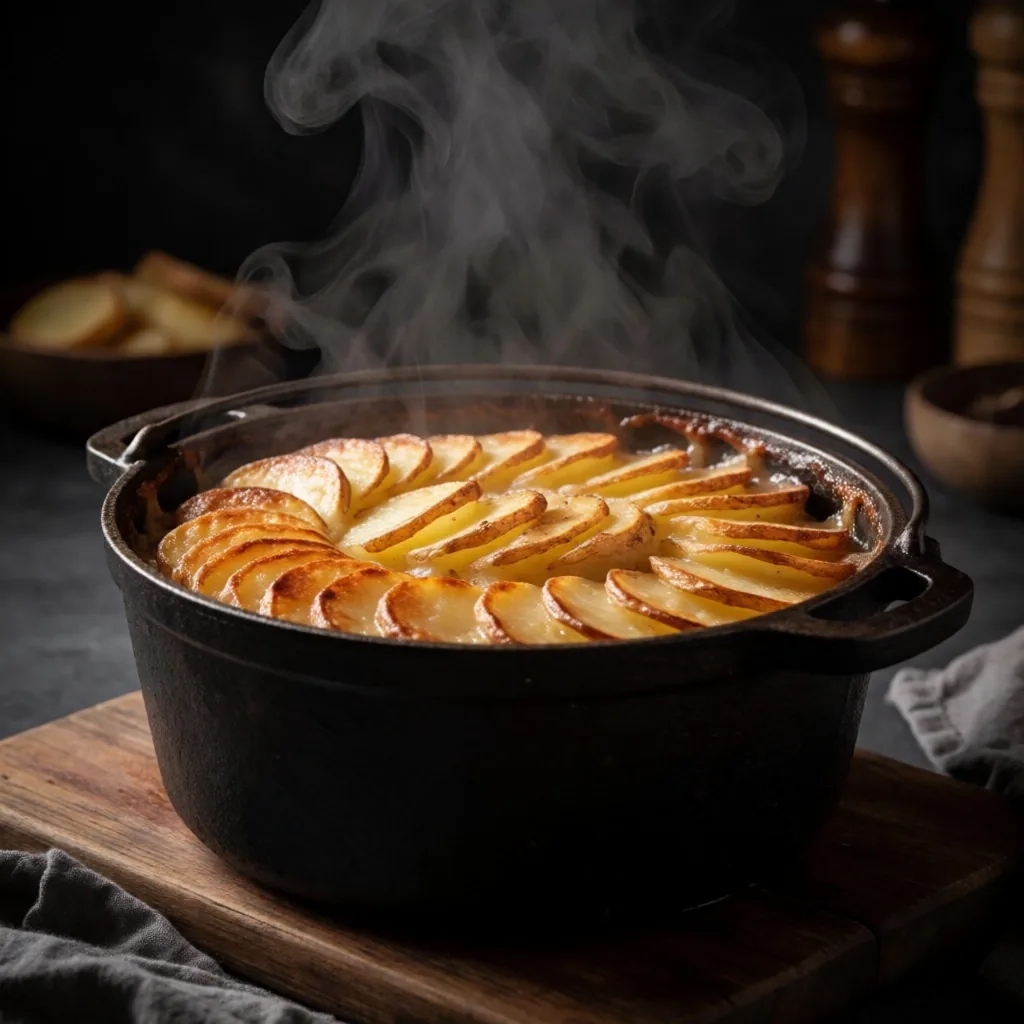
One-pot cooking has always been a mainstay of the working-class British kitchen due to its practicality and ability to stretch modest ingredients. Dishes like Scouse, Lancashire Hotpot, or a simple lentil soup provide warmth and nutrition with minimal cleanup.
We discuss the importance of browning meats and layering flavours to create the deep, savoury profiles associated with these classic UK comfort foods.
Coastal Heritage
Fish and Seafood Heritage
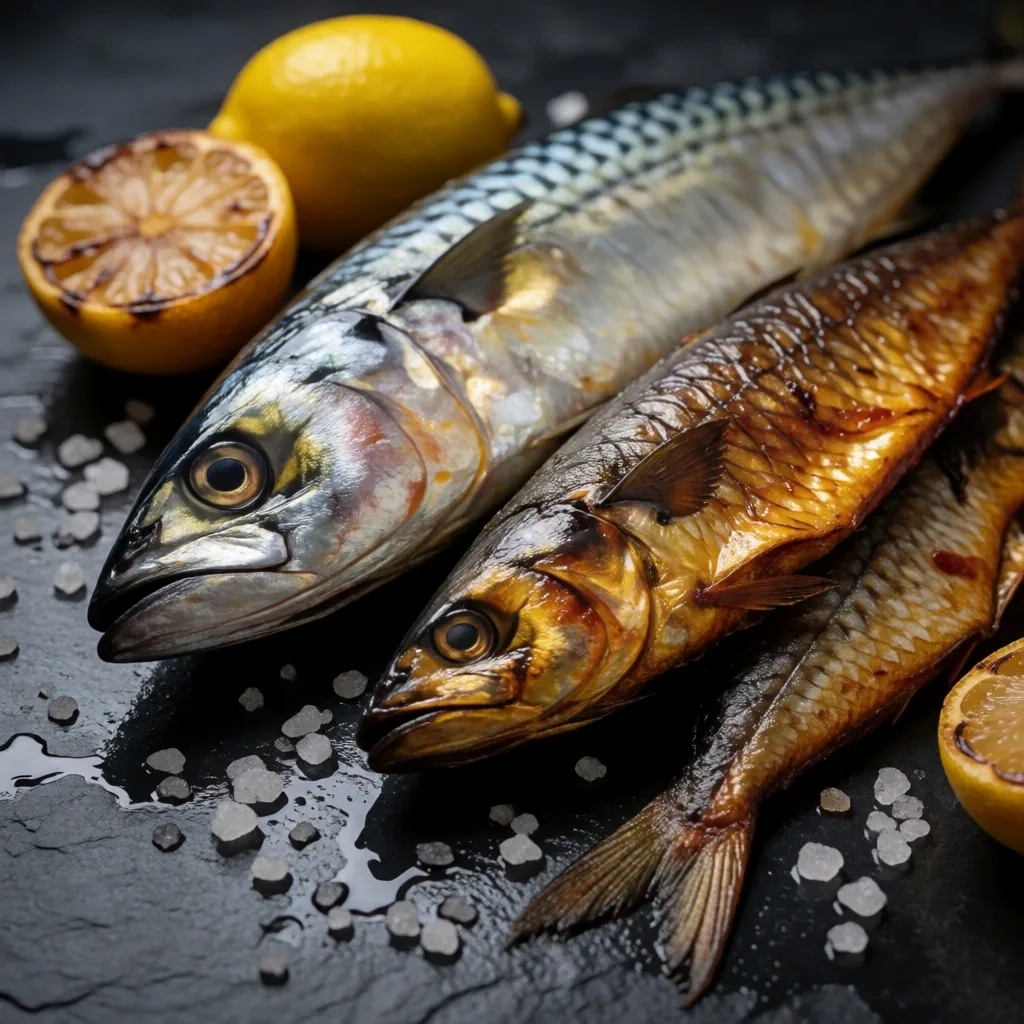
As an island nation, Britain has a long and storied relationship with the sea. Beyond the ubiquitous fish and chips, there is a wealth of traditional recipes involving smoked kippers, potted shrimps, and hearty fish pies.
We explore the coastal traditions that have influenced these dishes and the best ways to prepare different varieties of white fish and shellfish using traditional steaming or poaching methods.
Sweet Endings
Puddings and Sweet Endings
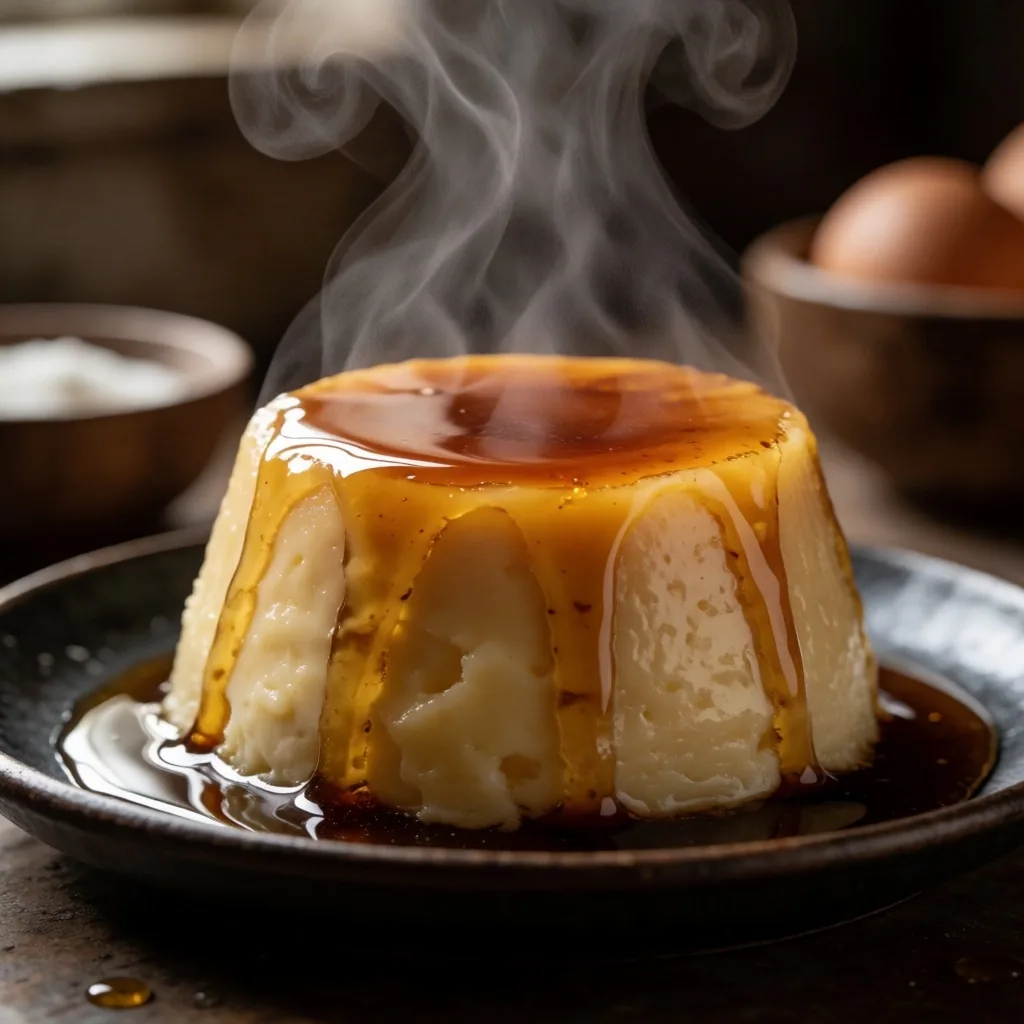
The term pudding holds a special place in the British vocabulary, encompassing everything from steamed sponges to creamy custards. Whether it is a Spotted Dick or a summer fruit pudding, these desserts are characterised by their substantial nature and comforting textures. We look at the historical use of suet and the development of dairy-based desserts that provide the perfect conclusion to a traditional British meal.
Everyday Home Meals
Everyday Home Meals for Busy Households
Traditional cooking does not always require hours of labour; many British staples were designed for efficiency. Quick meals like Welsh Rarebit or a simple Omelette Arnold Bennett demonstrate that high-quality home cooking can fit into a modern schedule. We provide tips on how to organise your kitchen and prep your ingredients to make everyday British meals a realistic part of your weekly routine.
Continue Reading
An archive of traditional British recipes and kitchen notes, built for the curious home cook.
British Home Kitchen
An informational culinary resource dedicated to traditional British recipes, kitchen tips, and the historical context of UK comfort food.
Policy Pages
© 2026 British Home Kitchen. All rights reserved.